How to choose a countertop ice maker: start with where it will go
Before comparing pounds per day, check the spot: clearance around the vents, room temperature, sunlight, the outlet and the water supply. What ice maker manuals actually ask for.
Most advice on how to choose a countertop ice maker starts with pounds per day. Start somewhere else: the spot where the machine will sit. Ice maker manuals spend pages on space, room temperature, power and water, because a good machine in the wrong place makes less ice. Settle those first.
1. Choose the ice, then measure the spot
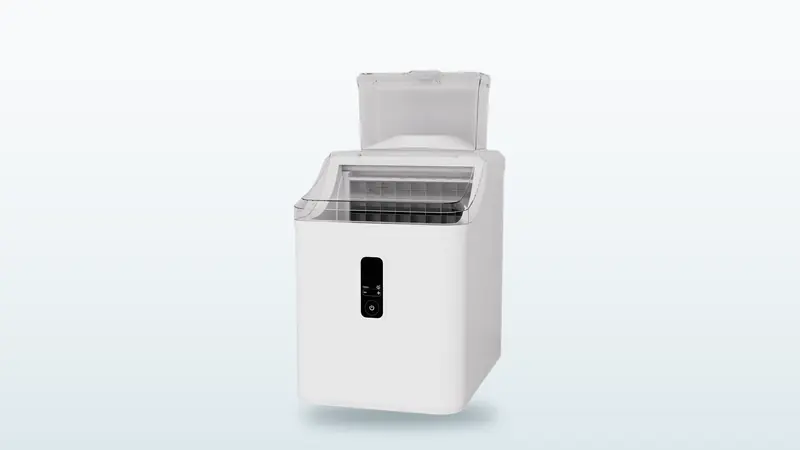
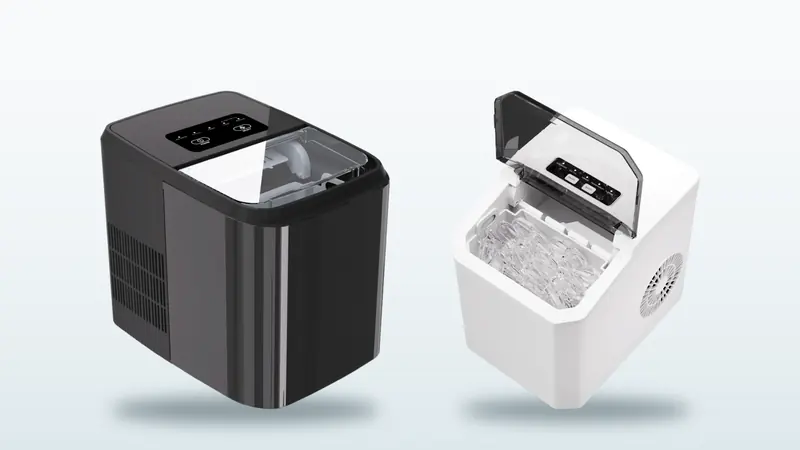
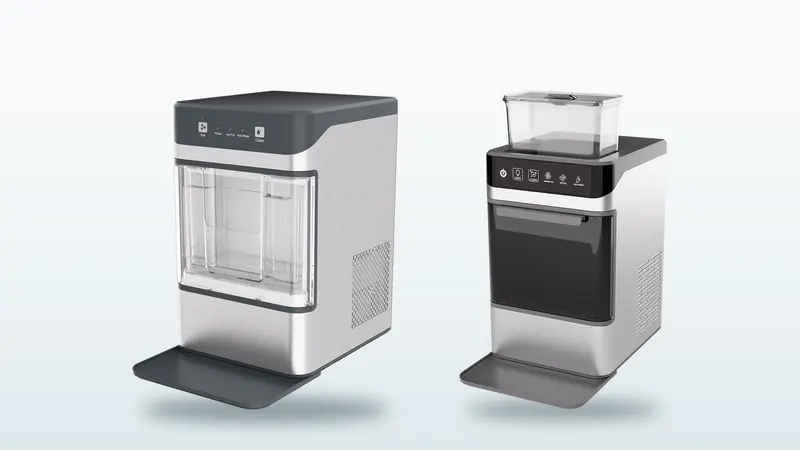
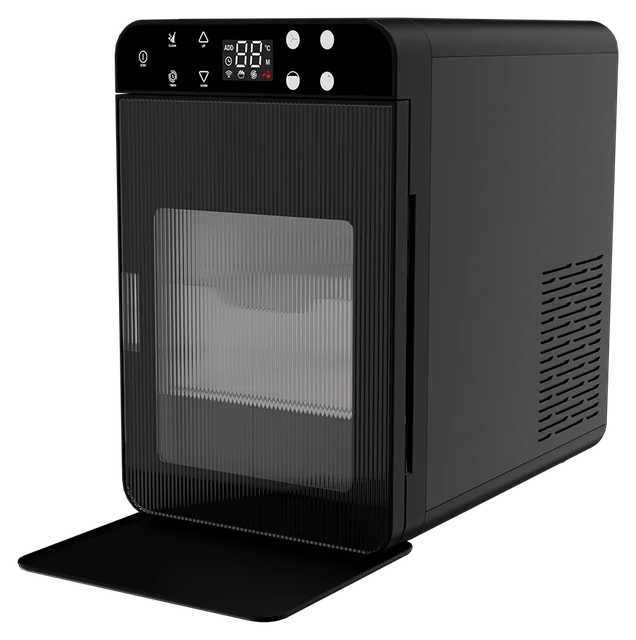
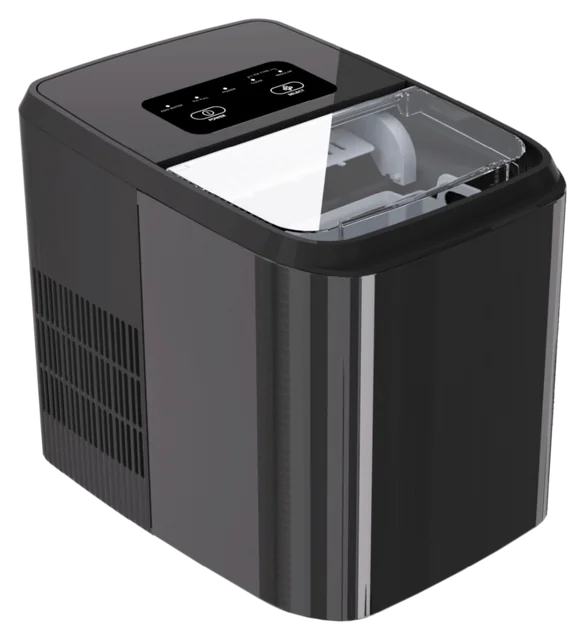
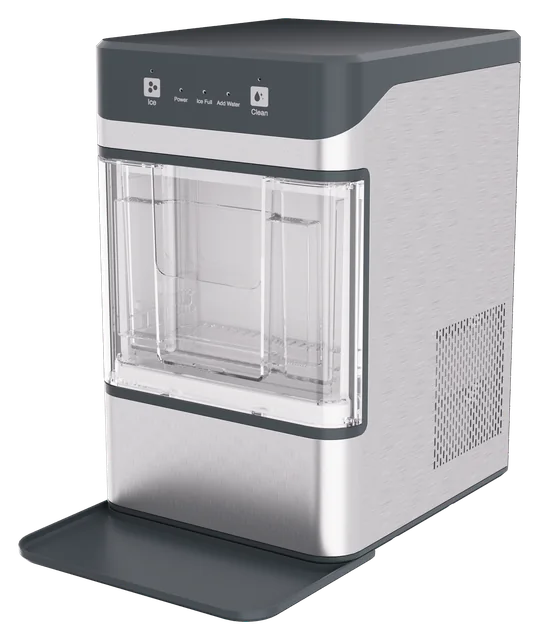
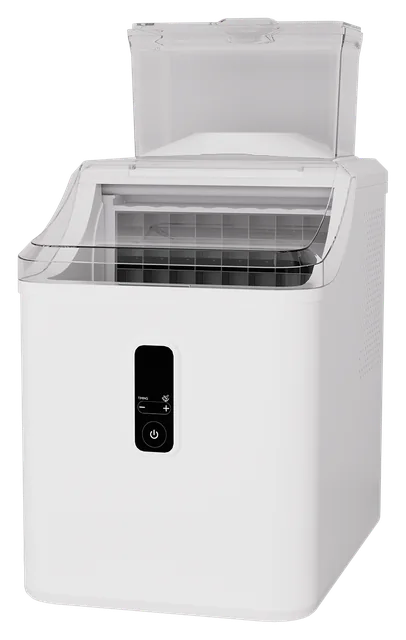
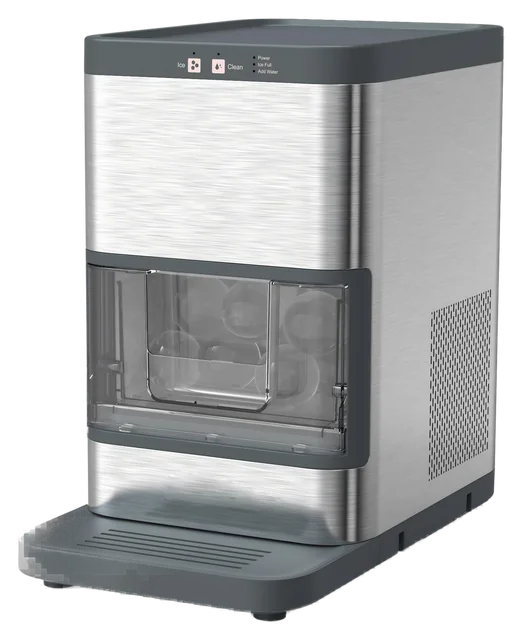
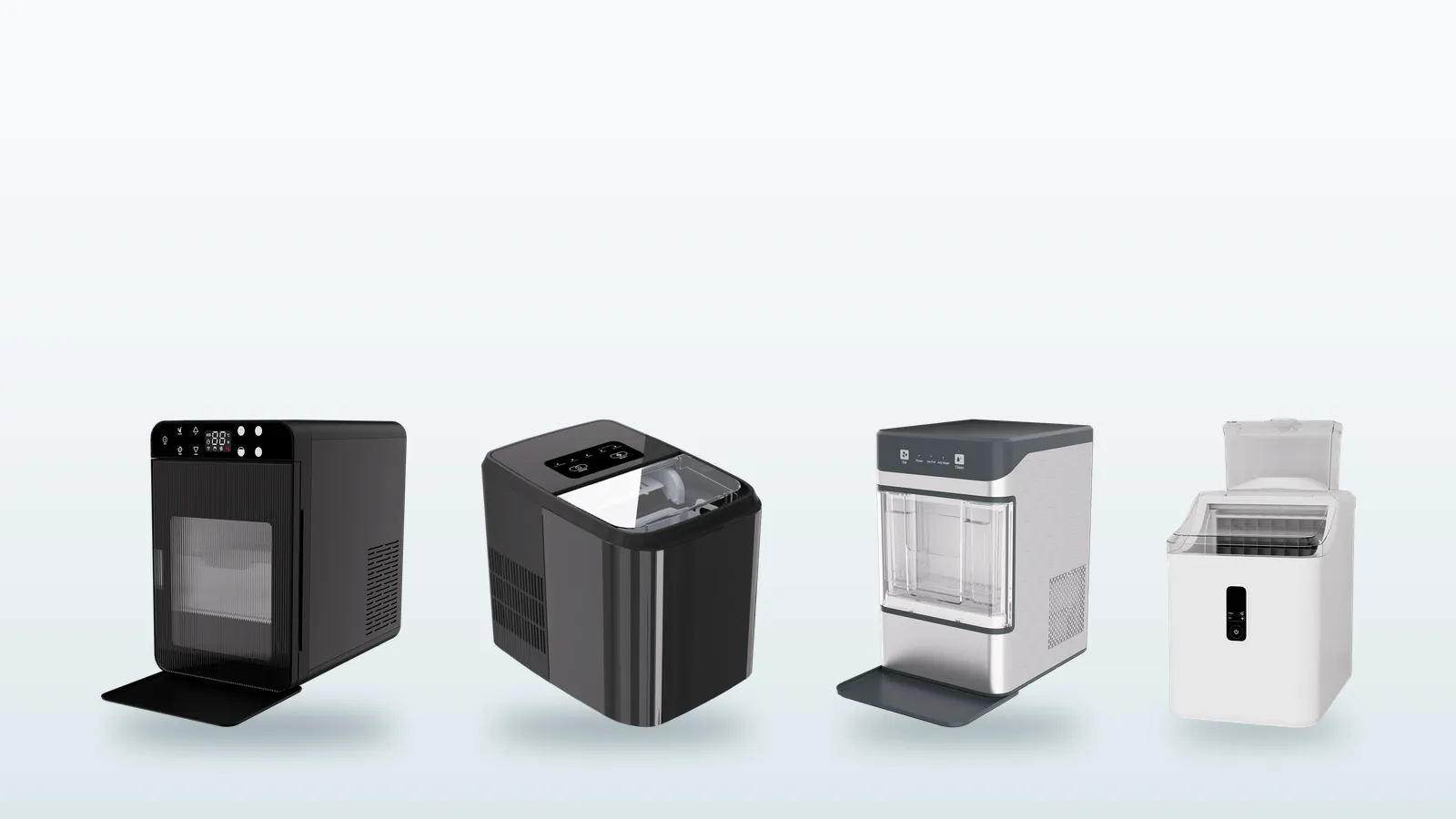
Decide what you drink first: soft countertop nugget ice makers for soda and milk tea, bullet ice makers for fast everyday ice, cube ice makers for water, cocktails and ice buckets, or sphere ice makers for whiskey. Our ice-by-drink guide goes through each.
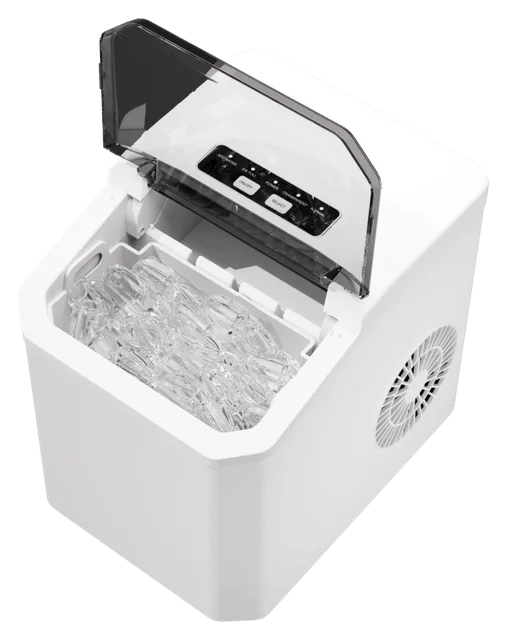
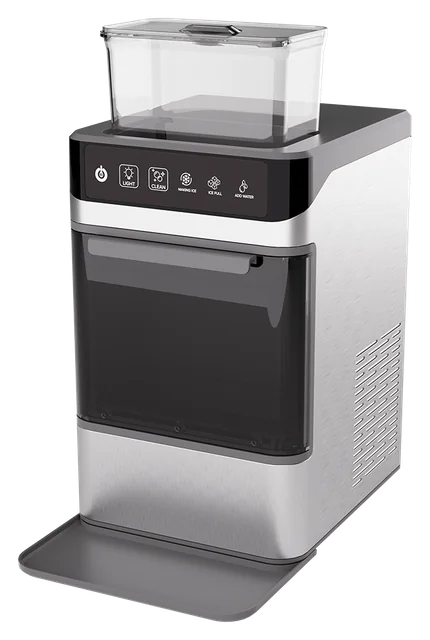
Then measure. Countertop machines are tall for their footprint: our YH820 cube ice maker is 217 × 322 × 413 mm (W × D × H) and our YH4025 nugget base model 246 × 311 × 399.5 mm, according to our wholesale catalog. Measure the height under your wall cabinets with the lid open, not just closed.
2. Leave air around it
An ice maker pushes heat out through its vents; block them and it makes less ice. The manuals agree on that, not on the distance:
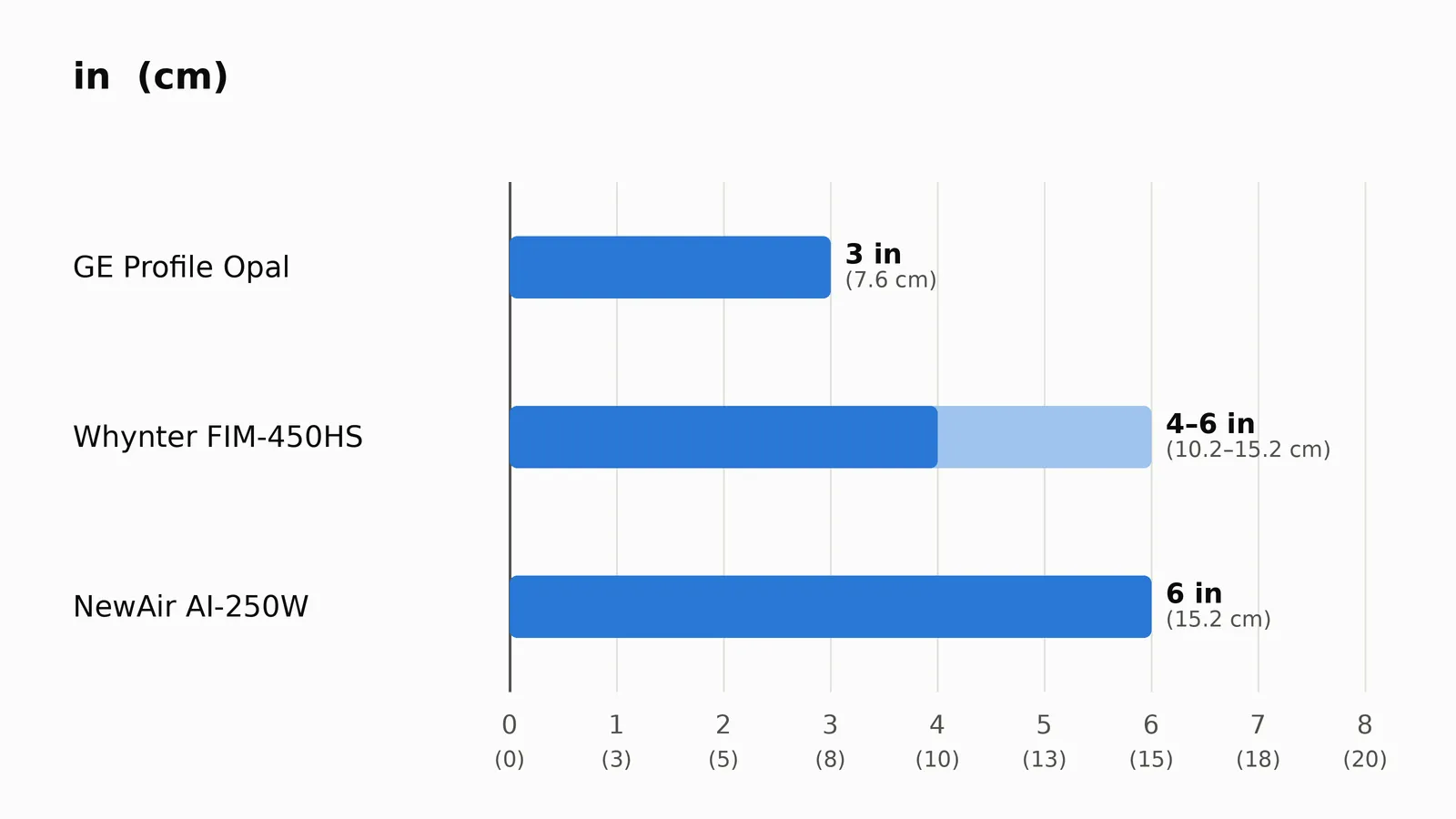
- GE's Opal manual asks for at least 3 inches at the back and sides, and lists blocked vents as a cause of low ice production.
- Whynter asks for 4–6 inches around the back and sides of its FIM-450HS and says built-in installation is not recommended.
- NewAir asks for six inches on all sides of its AI-250W.
A tight corner next to the coffee machine is often too small. Follow your own manual, and when in doubt, leave more.
3. Check the room temperature, and the sunlight
Every countertop ice maker has a room-temperature range, and output drops toward the warm end.
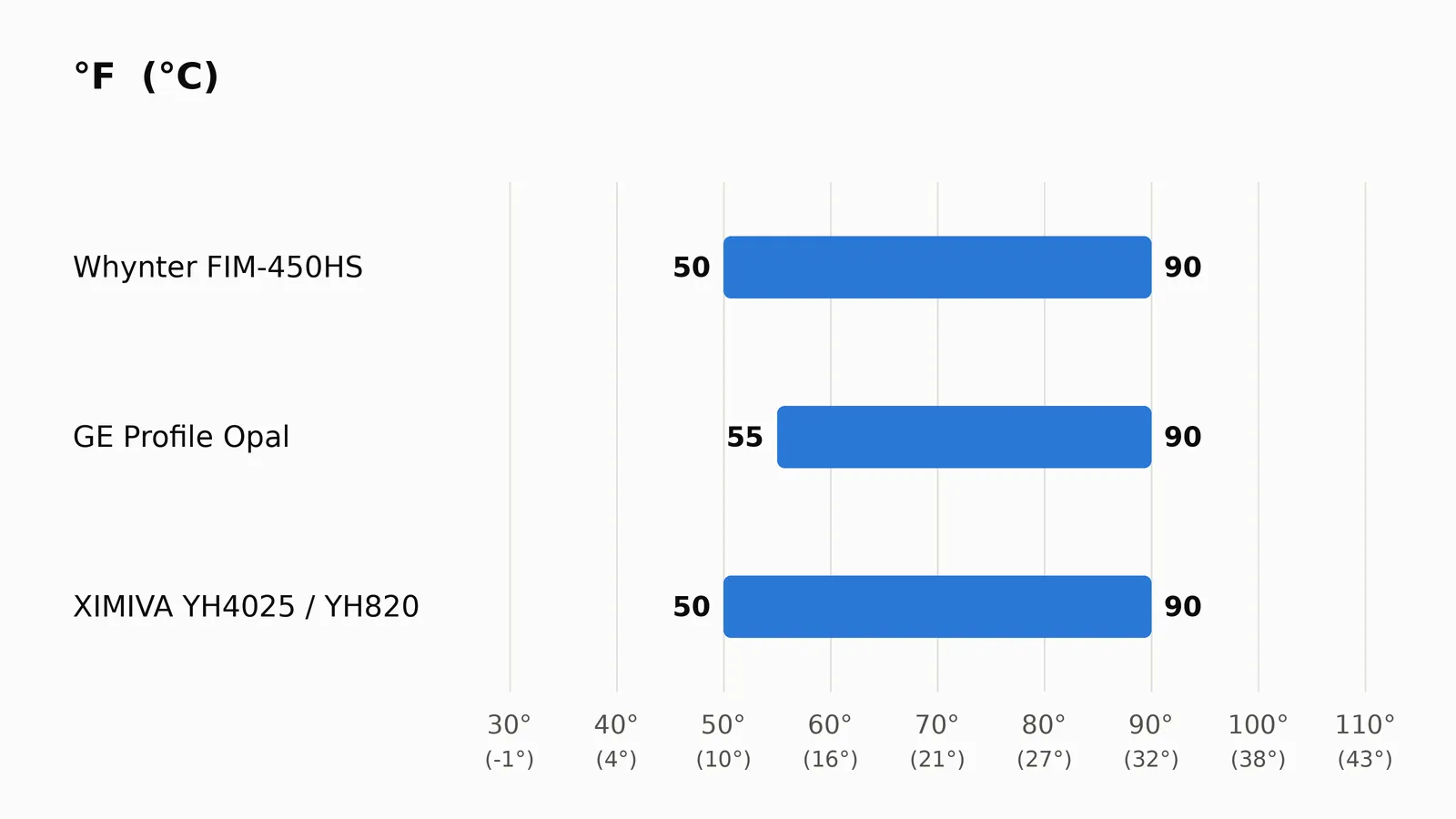
Whynter lists 50–90 °F and warns that running outside that range can lower production. GE gives 55–90 °F as the ideal range for the Opal. NewAir's troubleshooting table says that if a full cycle produces no ice, run the machine below 89 °F with cold water. Our wholesale models list 10–32 °C (50–90 °F).
From the same manuals:
- Keep it away from ovens, grills and direct sun. Whynter and NewAir both note that strong light can confuse the infrared sensor that detects a full basket, so the machine may keep making ice when it is full, or say it is full when it is not.
- Indoors only. Whynter says the unit must be protected from wind, rain and spray; GE's manual says indoor household use only. A summer garage or patio can be too hot.
4. Plan the outlet
GE and Whynter both recommend a separate circuit for the ice maker. GE strongly advises against extension cords, and if one is unavoidable, asks for a grounded, UL-listed cord rated at least 15 A. Whynter adds: use a grounded three-prong outlet that a wall switch cannot turn off. Outside North America, check the voltage and plug before you order; see our guide to ice makers in the UK and EU.
5. Tank or water line
Most countertop machines fill by hand. The tank decides how often you refill: our YH820 has a 1.6 L top tank, and two of our wholesale nugget models add a 3 L side tank to the 1.5 L tank.
A water-line model like the Whynter FIM-450HS refills itself, but it needs a supply line with between 14.7 and 55 psi of water pressure, and a drain. Only choose one if you have plumbing within reach.
Water quality matters too. Use drinking water only. Whynter advises changing the reservoir water every 24 hours and warns its water sensor may not detect distilled, reverse osmosis or heavily filtered water. Hard water means more descaling; see how to clean and descale a countertop ice maker.
6. Expect some noise
NewAir describes clicks when the machine starts, gurgling as refrigerant moves and a clatter as ice drops into the basket, and calls all of them normal. GE notes that walls and countertops can amplify these sounds. Compare the decibel rating if one is listed (the YH820 lists ≤ 54 dB), and don't put the machine on the wall shared with a bedroom.
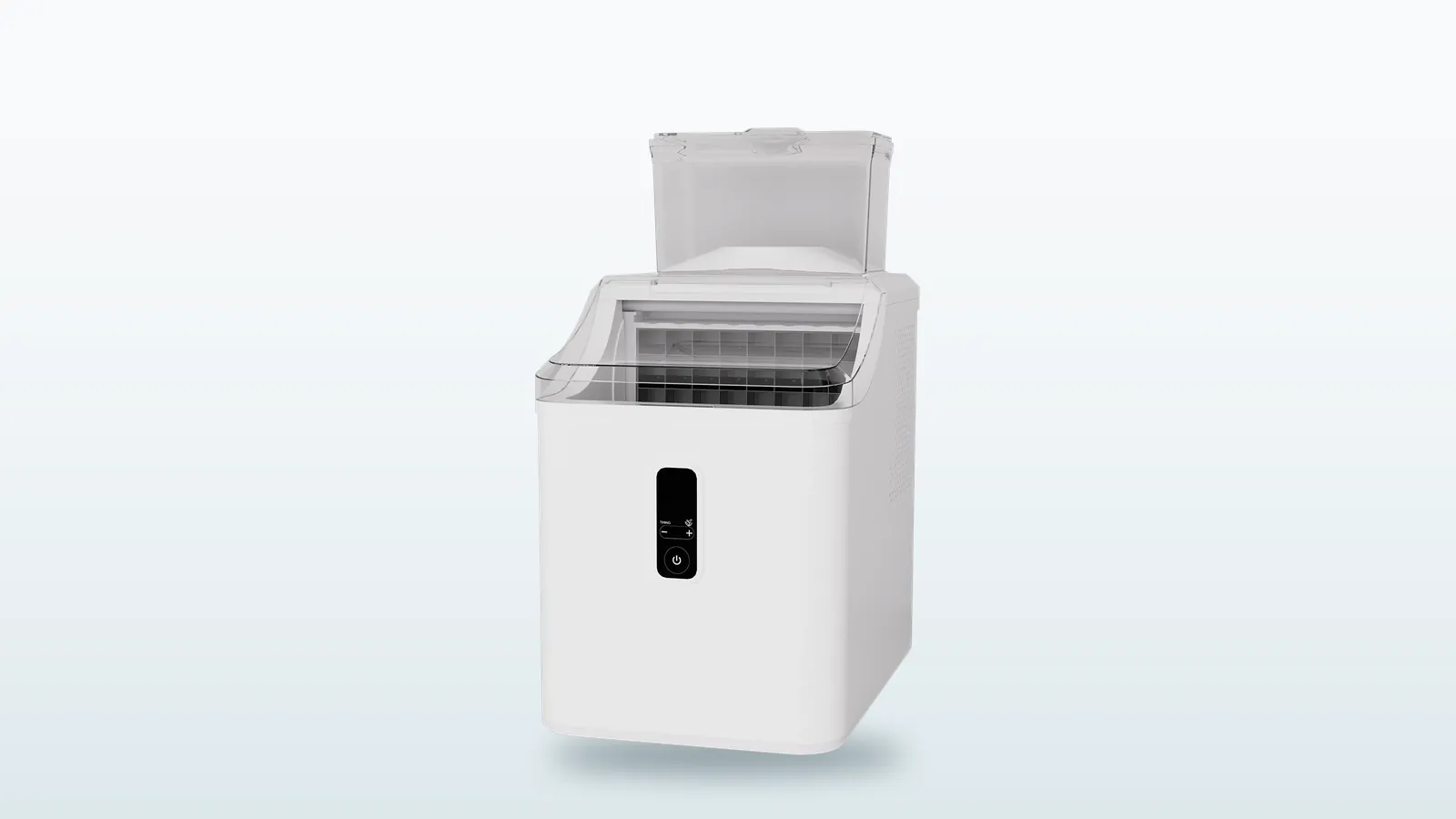
Choose the spot first: space around the vents, a room under about 90 °F (32 °C), a grounded outlet of its own and water within reach.
Checklist before you buy
| Check | What to look for |
|---|---|
| Height | Lid open, under your cabinets |
| Clearance | The figure in the manual, usually 3–6 in (8–15 cm) |
| Room | Within the listed range; no oven or direct sun next to it |
| Power | Its own grounded outlet, no extension cord |
| Water | Tank size you can live with, or a water line plus drain |
| Noise | Listed dB, and not against a bedroom wall |
If you are choosing for a shop or office, or want an ice maker under your own brand, the wholesale catalog lists size, room range, tank and noise for each model, and our private label page explains how it works.