Nugget, bullet, sphere or cube: which ice for which drink?
Skip the drink's name and ask three questions: is it shaken, is it fizzy, and how long will it sit in the glass? Here is what tests and bartenders say, and which ice to use.
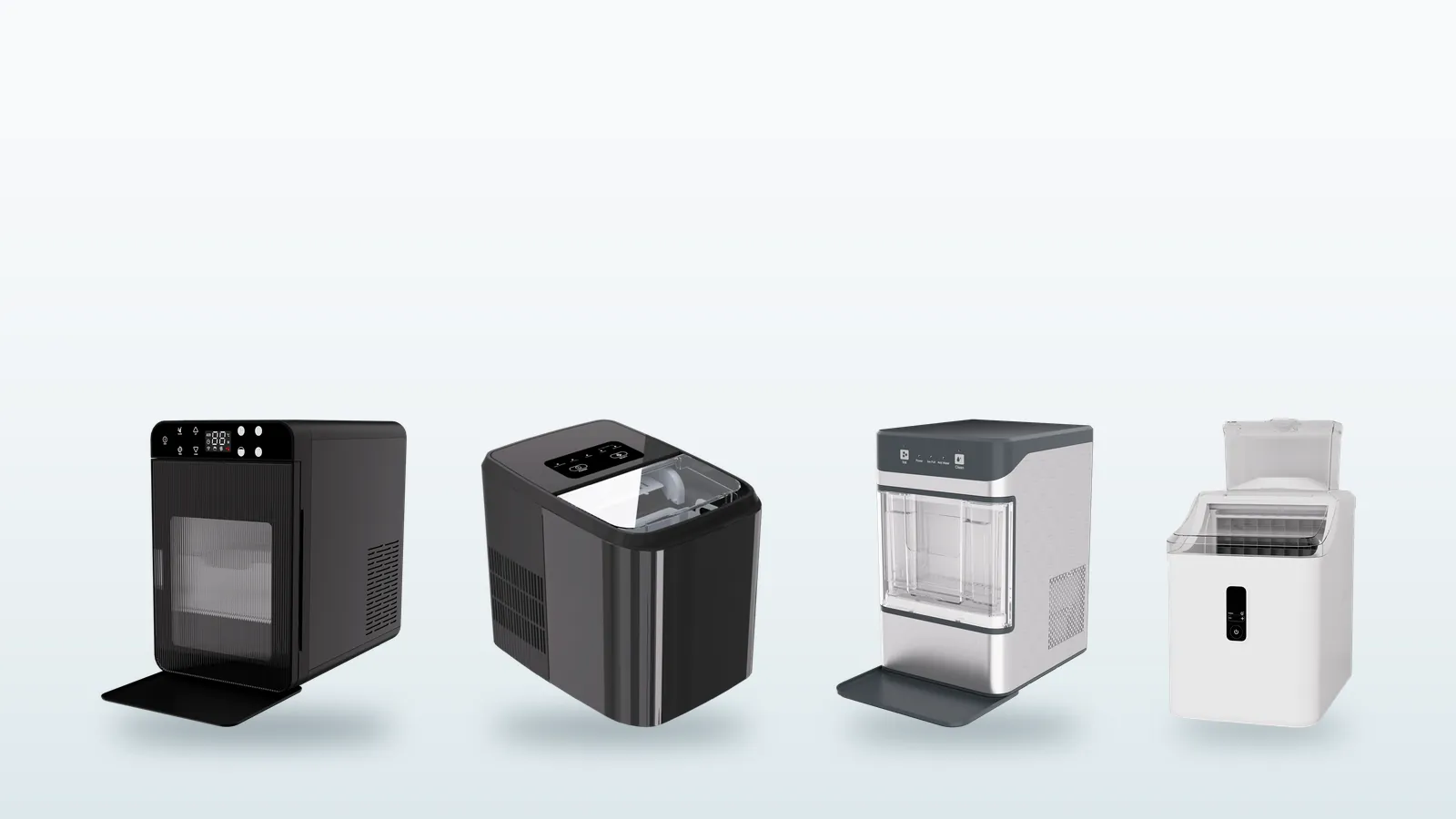
Most ice guides match a drink to an ice shape and stop there. A more useful way to choose is to ask three questions: will the drink be shaken, is it fizzy, and how long will it sit in the glass? The answers point to the right ice, and to the right machine.
The short answer
| Drink | What matters | Ice to use |
|---|---|---|
| Whiskey on the rocks, Old Fashioned | Slow melting | One sphere or one big cube |
| Shaken cocktails (Margarita, Daiquiri) | A hard shake, little extra water | Everyday cubes or bullets, drained; not crushed ice |
| Highballs, gin and tonic | Keeping the bubbles | A glass full of ice, cold mixer poured slowly |
| Soda, iced tea, milk tea | Fast chilling, easy to chew | Nugget |
| Iced coffee and juice in a busy shop | Never running out | High-output bullet or cube |
Ice that goes into a shaker only needs to be cold and drained. Ice that stays in the glass is the one worth choosing with care.
Shaken drinks: the shape barely matters
On his Cooking Issues blog, Dave Arnold compared drinks shaken with large 1.25-inch cubes and with small 0.75-inch cubes. The final temperatures came out about the same whatever the ice and whatever the shaking style, and the shakes had all but leveled off by 12 seconds. His verdict: "In terms of temperature and dilution, your style of shaking and the ice you use probably doesn't matter."
Simon Difford's shaking guide builds on those tests. After about 12 seconds of hard shaking, a drink settles between −5 °C and −8 °C (23 to 18 °F) and gains around 20% water from dry ice. Two things change that. Crushed ice dilutes far more, and less predictably. Wet ice adds extra water too: ice sitting in a machine is only just below 0 °C and wet on the surface, while ice straight from a freezer is dry.
What to do:
- Shake with whatever regular ice you have, cubes or bullets. Save the clear spheres for the glass.
- In a countertop ice maker like ours, the basket is not a freezer: the ice slowly melts and the water is made into ice again (see how it works). Drain the ice in the shaker tin before adding the drink, or bag a batch and keep it in the freezer, as Difford does with his machine ice.
Fizzy drinks: big, cold ice and a gentle pour
Soda foams over ice because bubbles form most easily on rough spots, and ice brings a lot of rough surface into the glass, as The Naked Scientists explain. Every bubble that foams up is fizz the drink has lost. Temperature matters too: Punch's highball guide points out that the warmer the soda, the faster its gas escapes.
What to do:
- Fill a tall glass to the top with ice. The Whisky Exchange's highball guide favors large cubes, since they last longer and hold the drink colder.
- Keep the soda or tonic in the fridge and pour it in slowly. Difford's highball method also skips stirring once the soda is in.
- Nugget ice has more surface than cubes, so expect more foam with soda and pour in two goes.
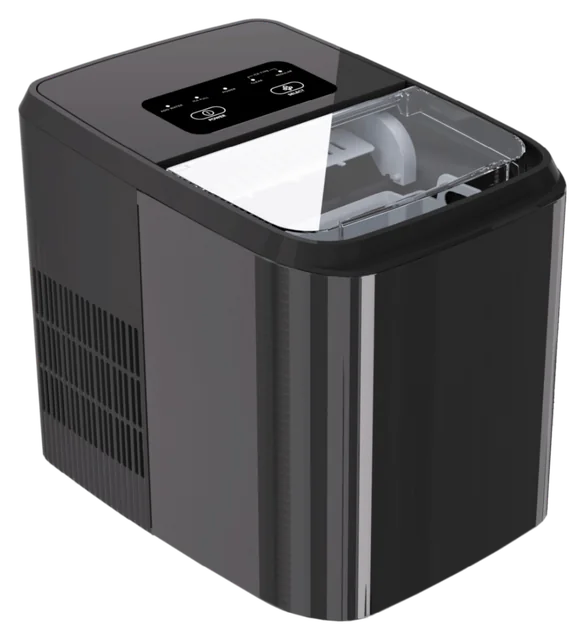
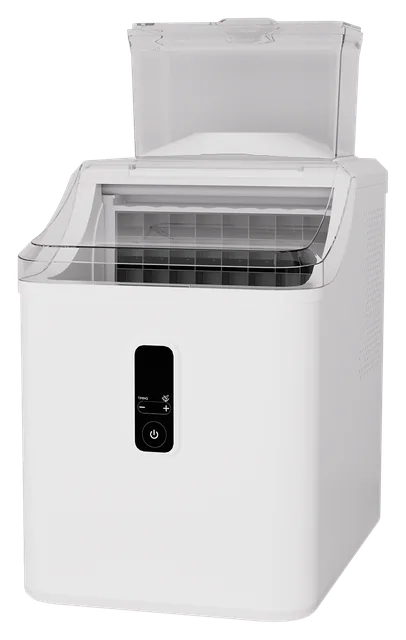
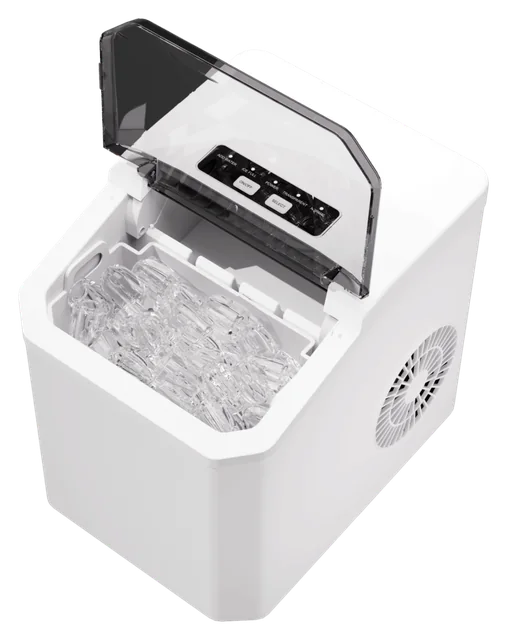
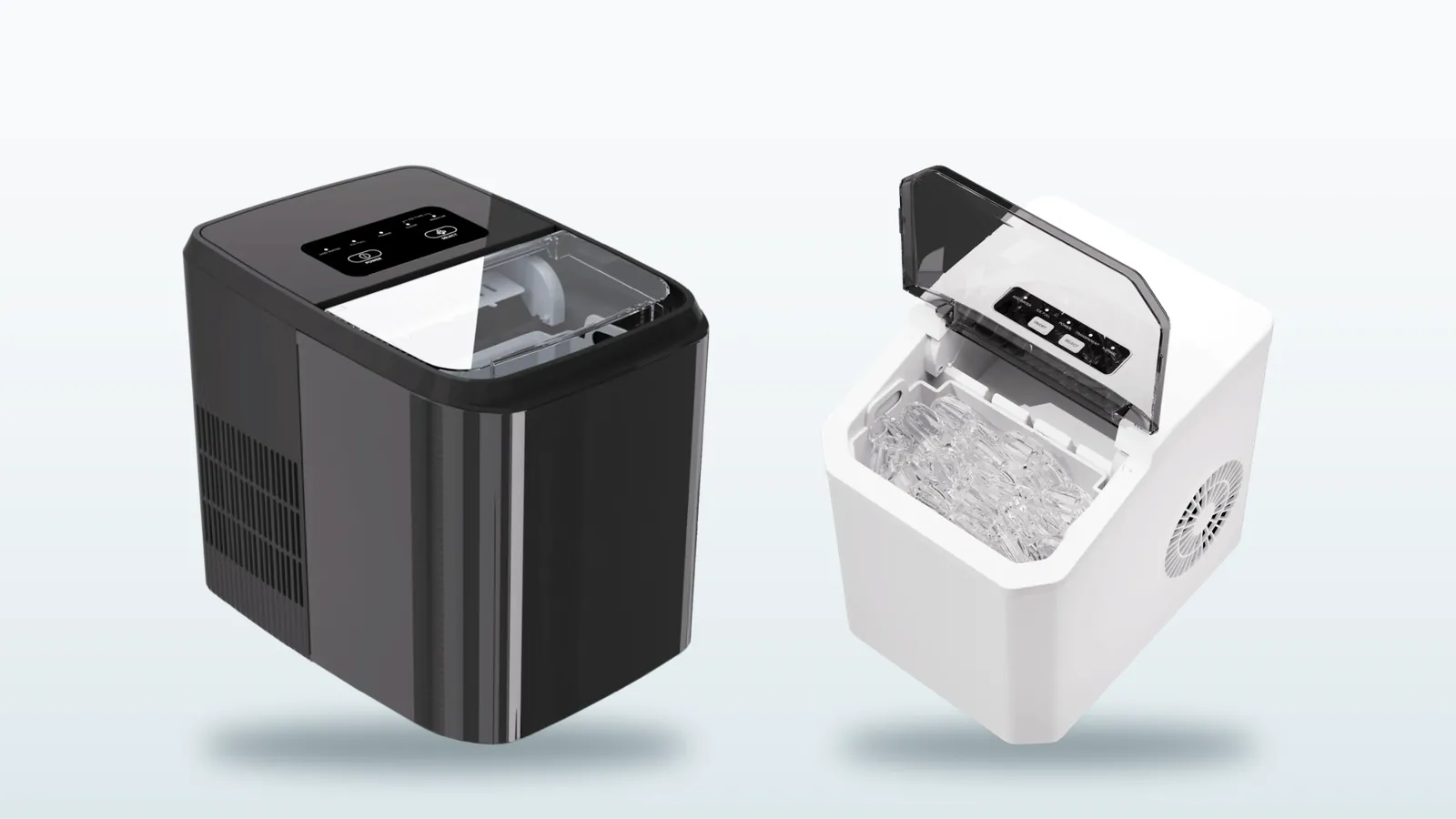
The YH515 and YH22 make both: clear ice that looks good in the glass, and regular ice for everyday volume.
Slow sips: bigger ice
Vlad Novikov, head mixologist at Ned's Club in Washington, DC, told The Takeout that smaller ice chills and dilutes faster, while larger ice does both more slowly. He says a spirit-forward drink like an Old Fashioned does better on a large rock, and the article suggests a single 2-inch cube or a similar sphere for a rocks glass at home.
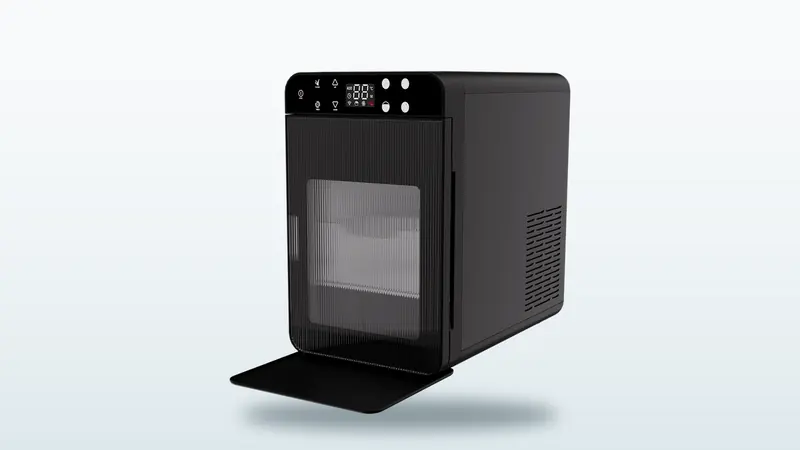
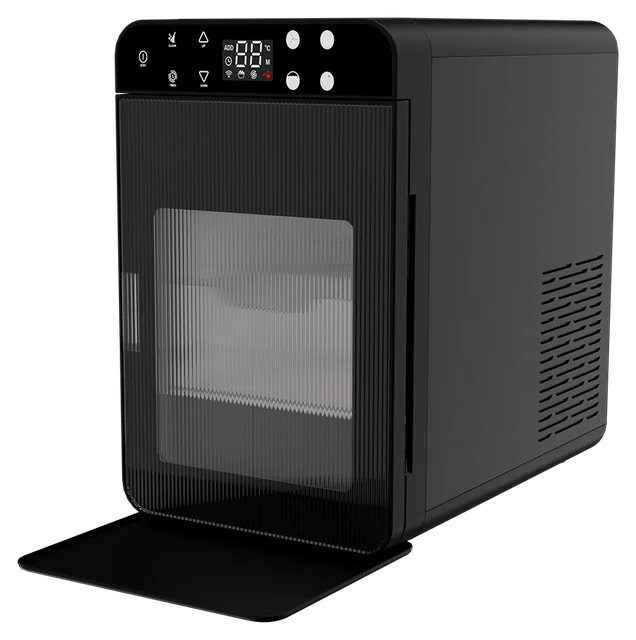
That is the job of a sphere maker. The YH1800 makes four 55 mm spheres per cycle. The YH1600 makes 55 mm spheres for a whiskey tumbler or 50 mm ones for a smaller rocks glass.
Quick drinks: nugget ice
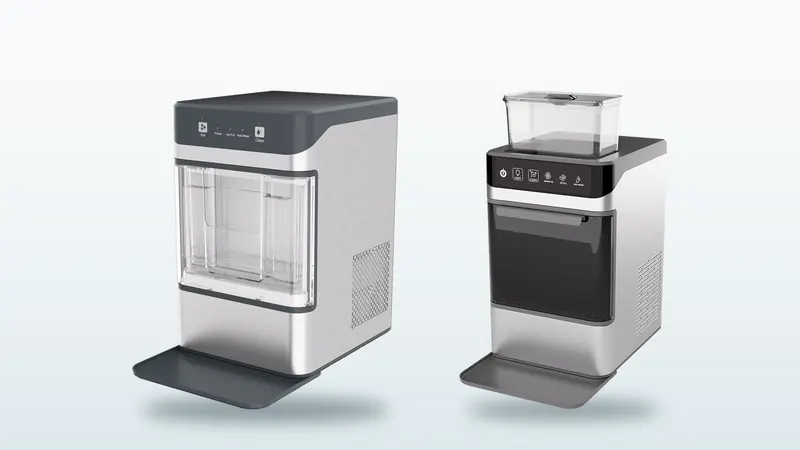
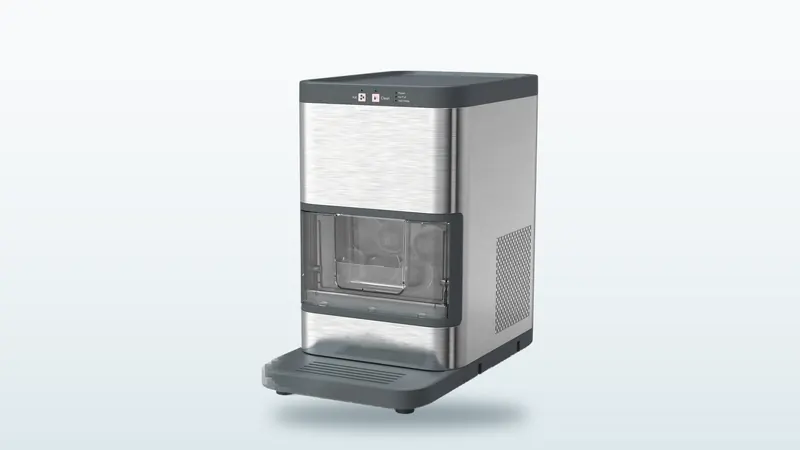
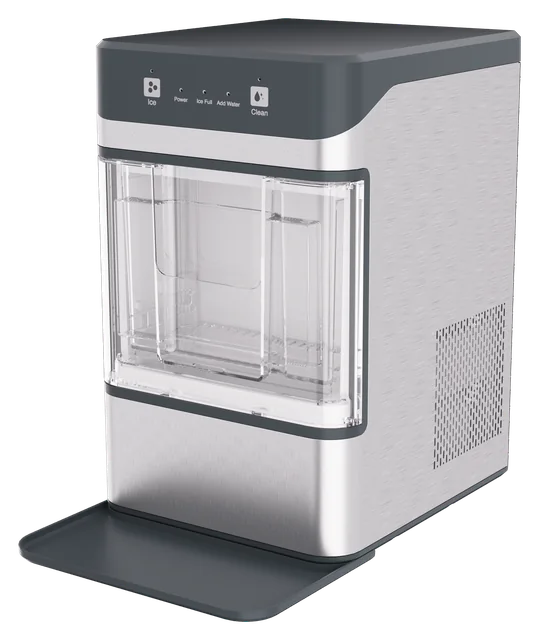
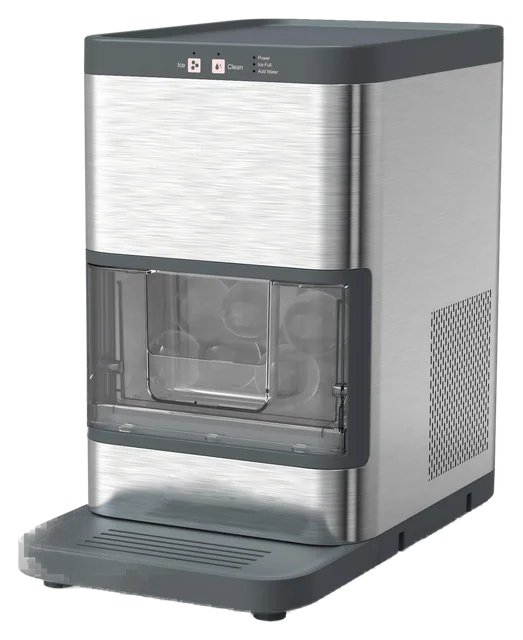
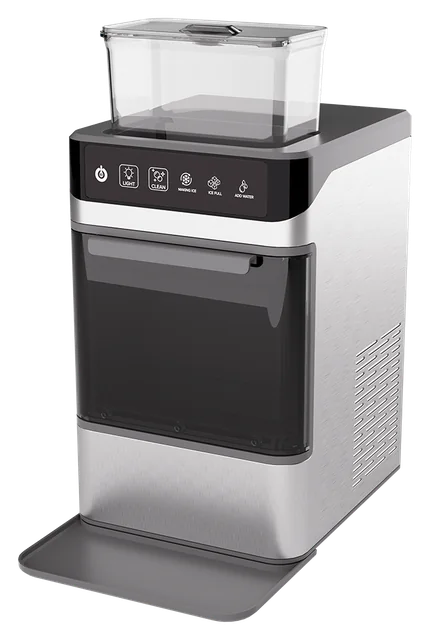
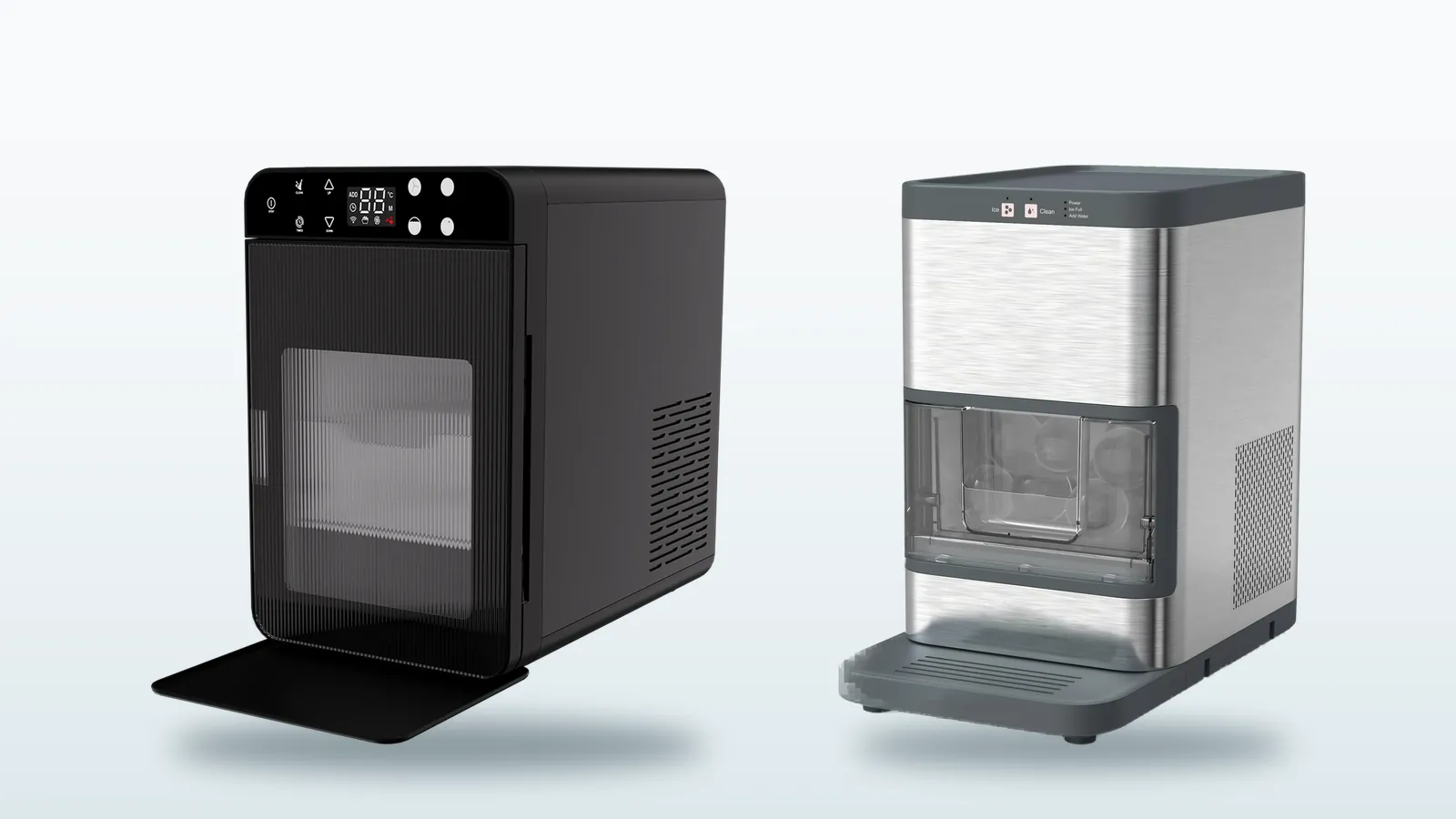
For drinks that go down fast, like soda or milk tea through a straw, small ice helps. According to Whirlpool's guide to ice types, nugget ice has more surface than standard cubes, so it chills a drink quickly; it also takes on the drink's flavor and is easy to chew. The Takeout adds the catch: it is fine in soda but melts far too fast for a cocktail. The YH4031 and YH6038 make nugget ice.
Cafés, tea shops and bars: plan for the rush
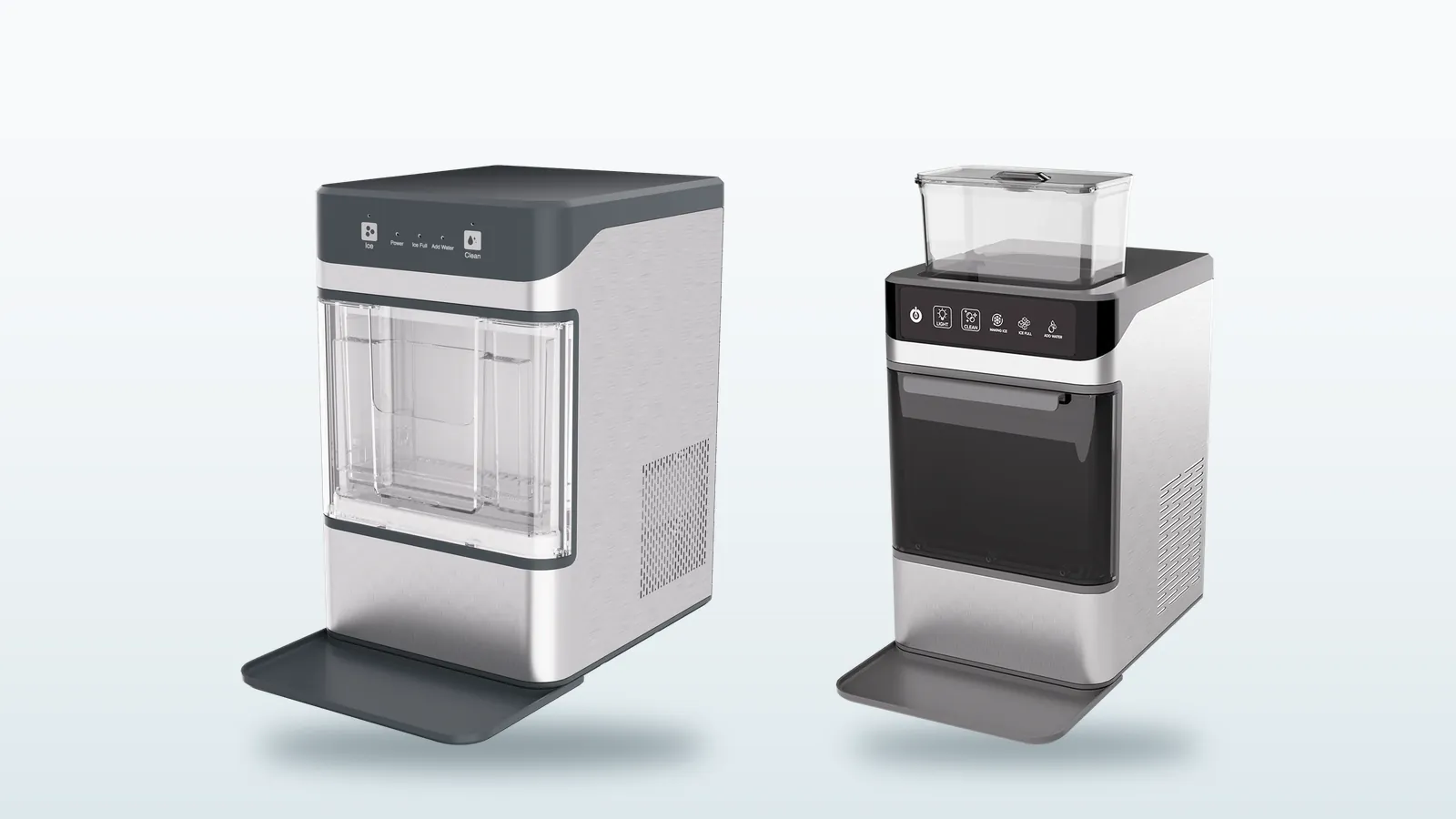
In a shop, the question is volume: will you run out at the lunch rush? Whirlpool calls cube ice a good choice for chilling drinks made in batches. The YH515 makes up to 15 kg of bullet ice a day, enough for parties, office pantries and small shops; its YH511 sibling makes 12 kg.
Which machine fits your drinks?
- Mostly whiskey and stirred drinks: a sphere maker.
- Mostly soda, iced tea and milk tea, or a household of ice chewers: a nugget maker.
- Cocktails and highballs at home: a bullet or cube machine for everyday ice, plus spheres if you also drink spirits on the rocks.
- A café, tea shop or bar: start from the ice you use in your busiest hour, then choose the shape.
You can compare models side by side on the all ice makers page.