Countertop ice maker in the UK or EU? Check voltage, plug and CE mark
Buying a countertop ice maker from a shop abroad? What UK and EU rules say about mains voltage, plugs, conversion plugs and the CE or UKCA mark, and what to ask the seller before you order.
Ordering a countertop ice maker from a shop abroad, ours included, takes a few clicks. Making sure it suits a kitchen in the UK or the EU takes three checks: the voltage on the rating plate, the plug, and the safety mark. Here is what the rules say about each, and what to ask the seller before you order.
Voltage: look for 220–240 V and 50 Hz
Every appliance has a rating plate, usually on the back or underneath, with the voltage, frequency and power it was built for. In Great Britain the mains supply is declared at 230 volts and 50 hertz, and the law allows the voltage to run up to 10% above or 6% below that (Electricity Safety, Quality and Continuity Regulations 2002). A machine rated 220–240 V, 50 Hz is built for that supply. In the EU, check the plate against your home supply in the same way.
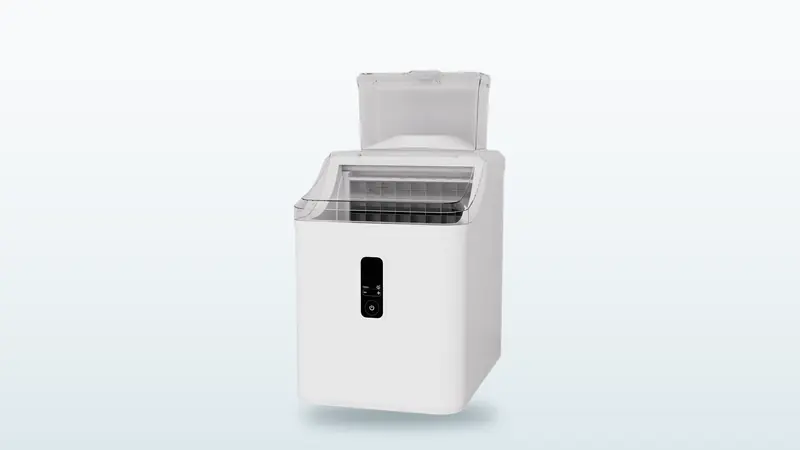
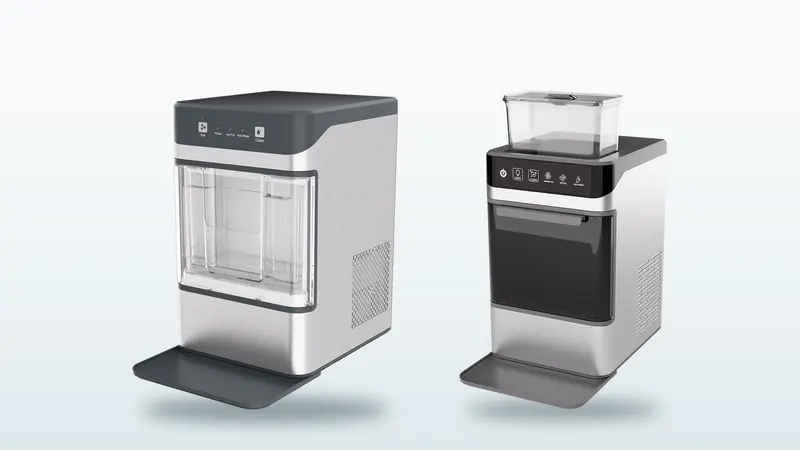
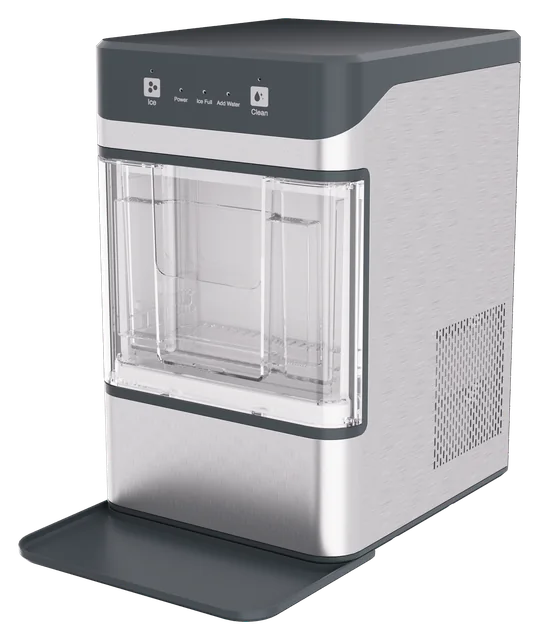
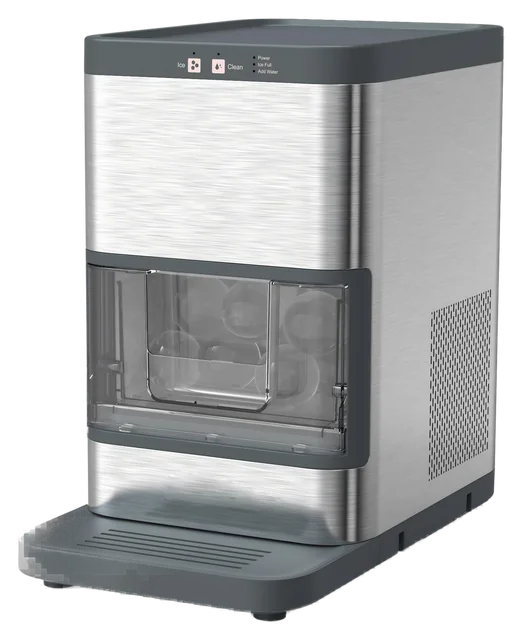
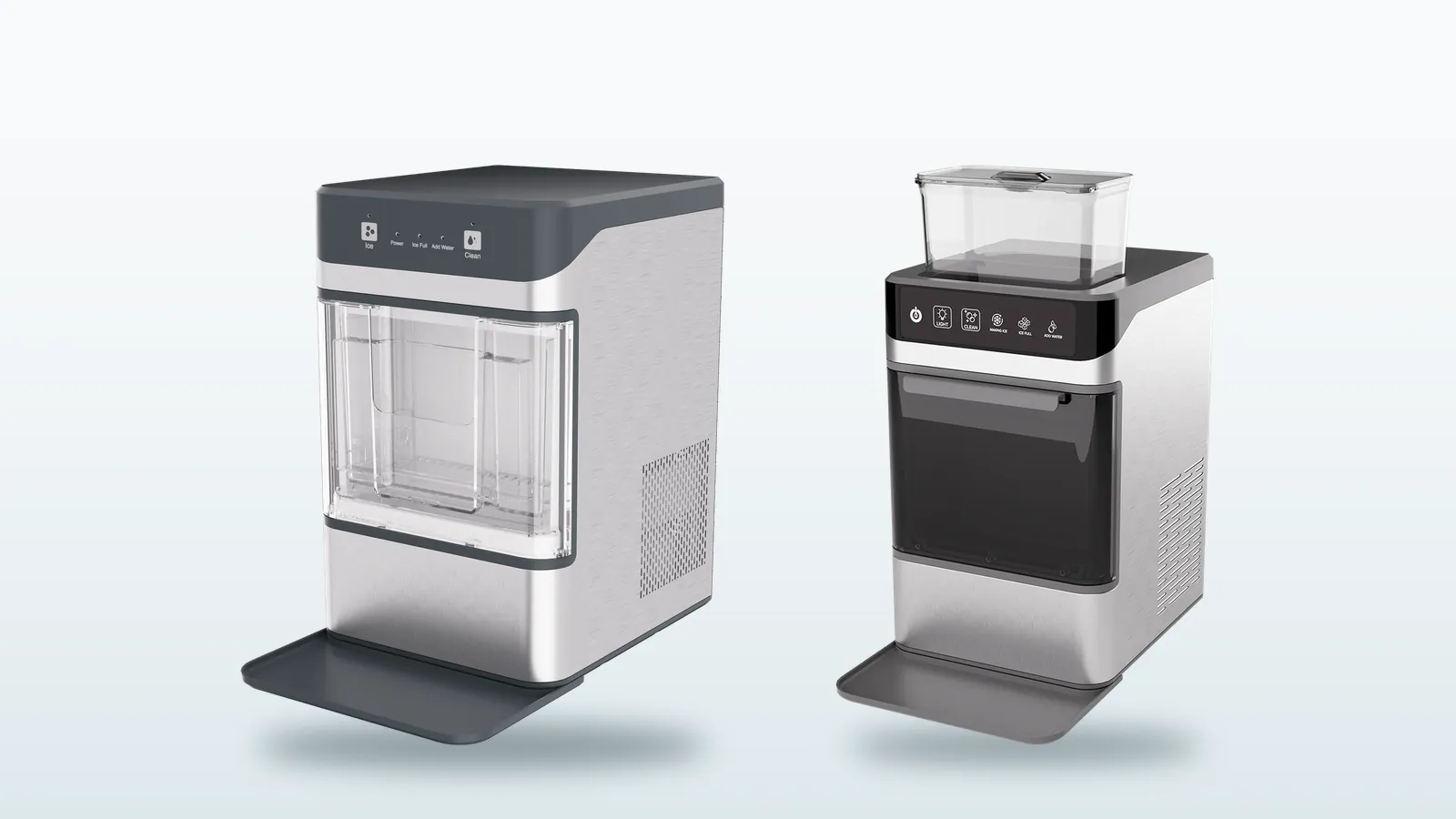
A plug adapter changes the shape of the plug, not the voltage, so it cannot make a machine built for another supply safe to use. For comparison, the factory sheets of our nugget ice makers give 220–240 V ~ 50 Hz and 130 W (see the wholesale catalog).
The plug: strict rules in the UK, national rules in the EU
In the UK, electrical equipment sold for home use must come with a correctly fitted standard UK plug (BS 1363), or with a non-UK plug that is correctly fitted with a compatible conversion plug carrying a BS 1362 fuse, rated as the manufacturer instructs (Electrical Equipment (Safety) Regulations 2016, regulation 35). The simplest choice is a machine that arrives with a UK plug.
In the EU there is no single plug. Household plugs and sockets are outside the Low Voltage Directive, and most European countries have national rules for them, as a 2009 paper of the directive's administrative cooperation group notes. So ask for the plug used in your country rather than an adapter.
The safety mark: CE in the EU, CE or UKCA in Great Britain
The Low Voltage Directive covers electrical equipment designed for 50 to 1,000 V AC, and all electrical equipment on sale in the EU must bear the CE marking. Before the mark goes on, the manufacturer has to carry out a conformity assessment, keep technical documentation and sign an EU declaration of conformity, and importers must check that this was done, according to the EU's own summary of the directive.
Great Britain recognises the CE marking alongside its own UKCA marking, so either can appear on an appliance sold there (GOV.UK guidance on using the UKCA marking).
Ask the seller for the declaration of conformity for the exact model and plug version you are buying.
Import VAT and duty
Our prices and shipping do not include import VAT, customs duty or other local taxes; if your customs office charges them, the recipient pays them (see our support page). Check the rules for your country before you order from any shop abroad.
Four questions to ask before you order
- Which voltage and frequency are on the rating plate of the unit you will send?
- Which plug does it have, and is it the standard plug in my country?
- Can you send the declaration of conformity (CE, or UKCA for Great Britain)?
- Who pays import VAT and duty, and when?
How we handle UK and EU orders
We ship the plug and voltage version that matches your shipping country, and our checkout ships to the UK and the EU; delivery times for each region are on the shipping policy page. If you sell ice makers yourself, the wholesale catalog lists each model's power supply, container loading and the certifications on its factory sheet, and the private label page covers logos, plug standards and packaging.
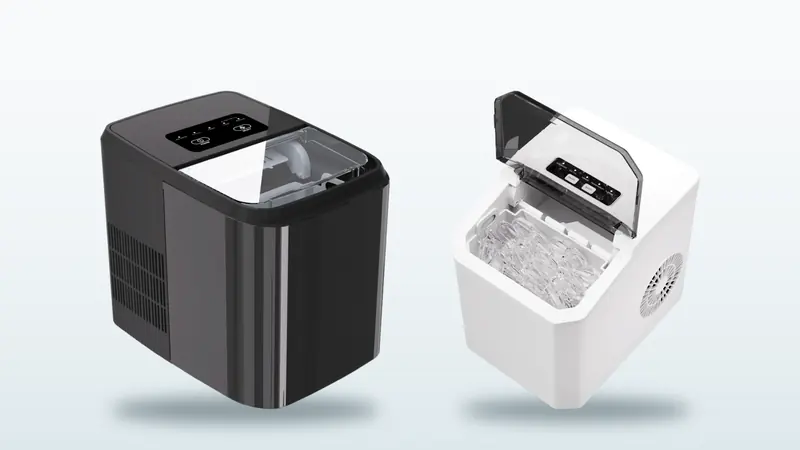
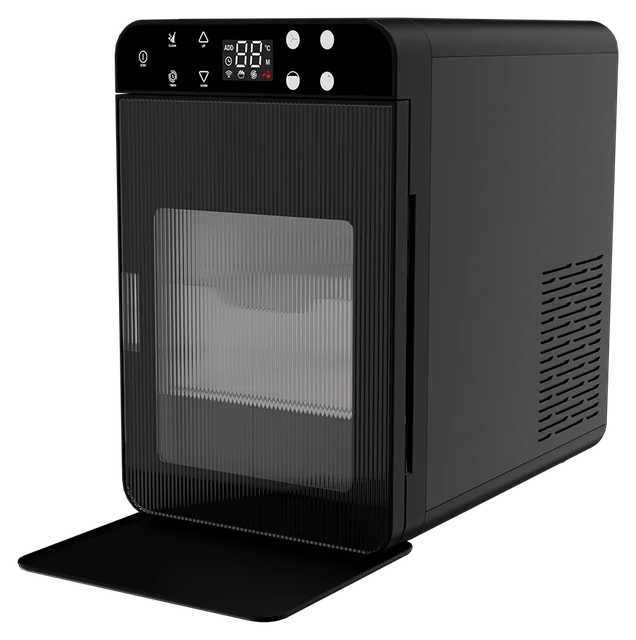
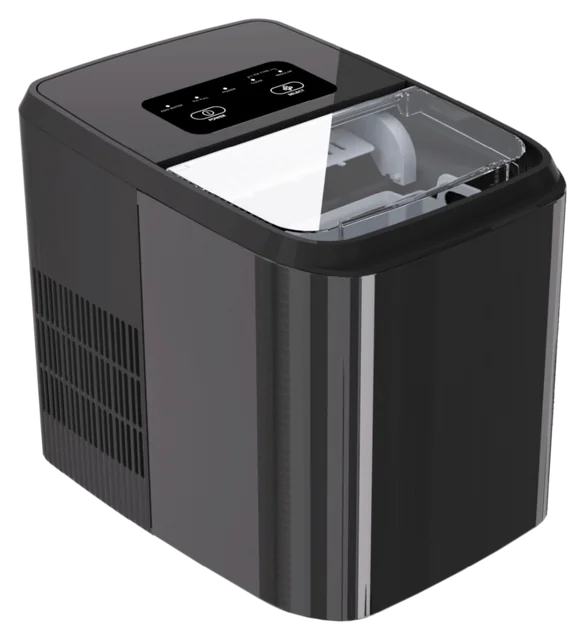
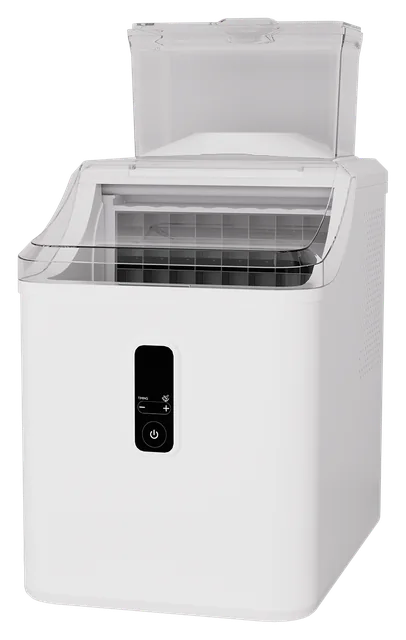
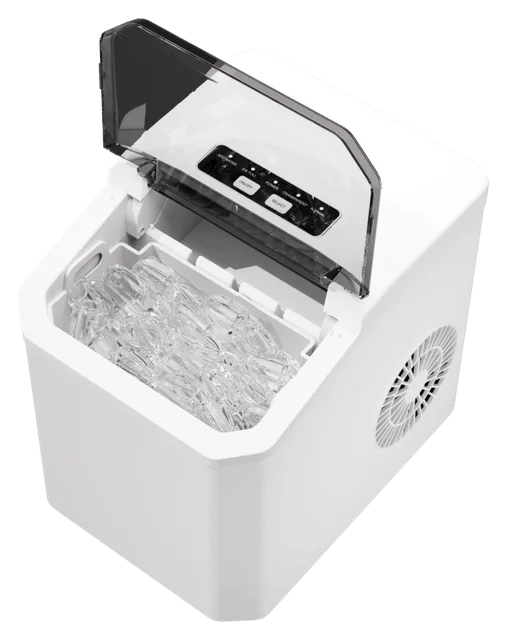
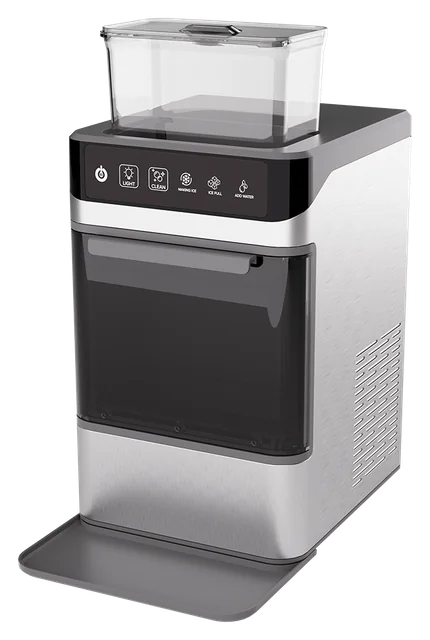
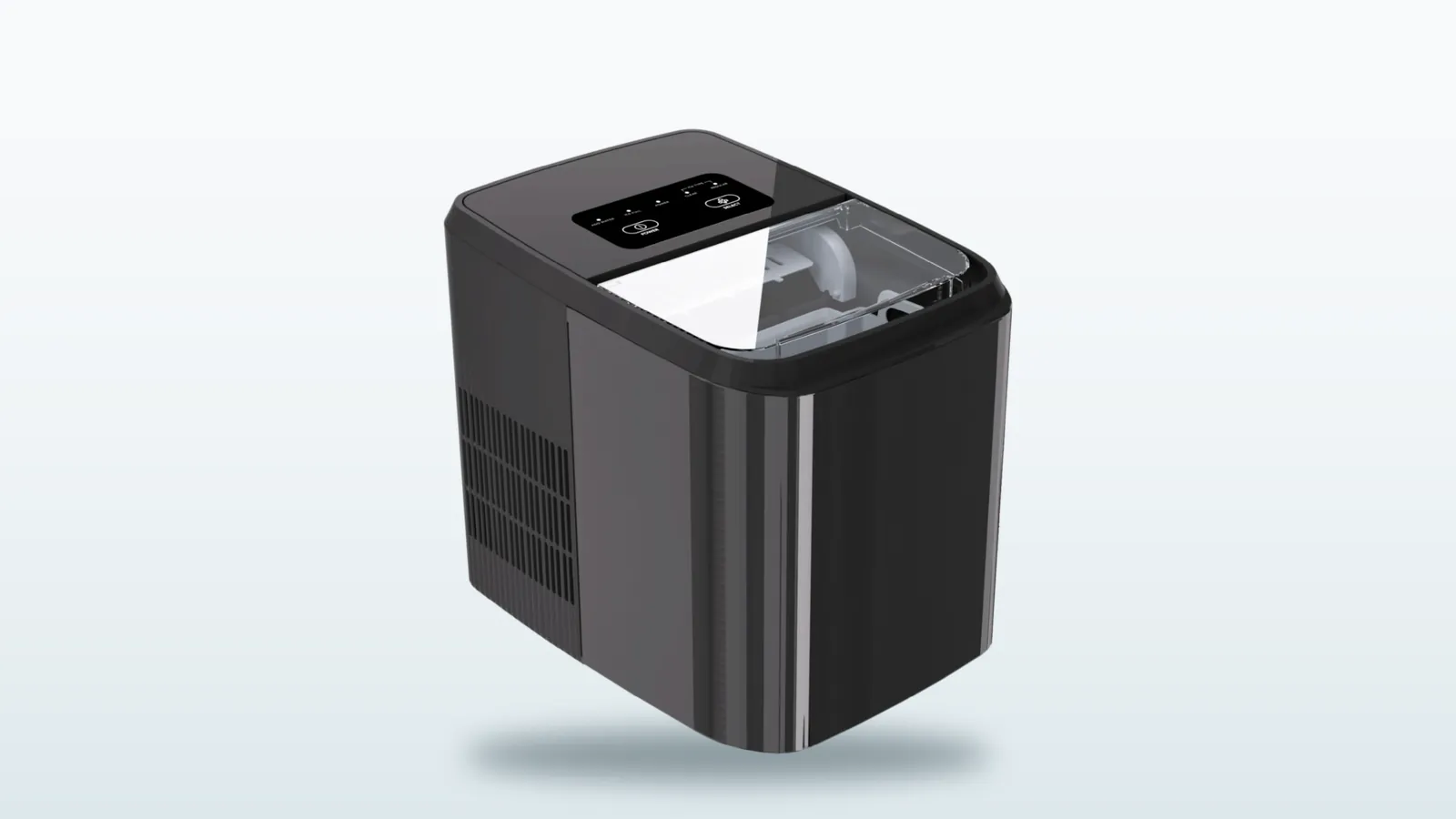
To compare machines, start with our countertop nugget ice makers and countertop bullet ice makers.