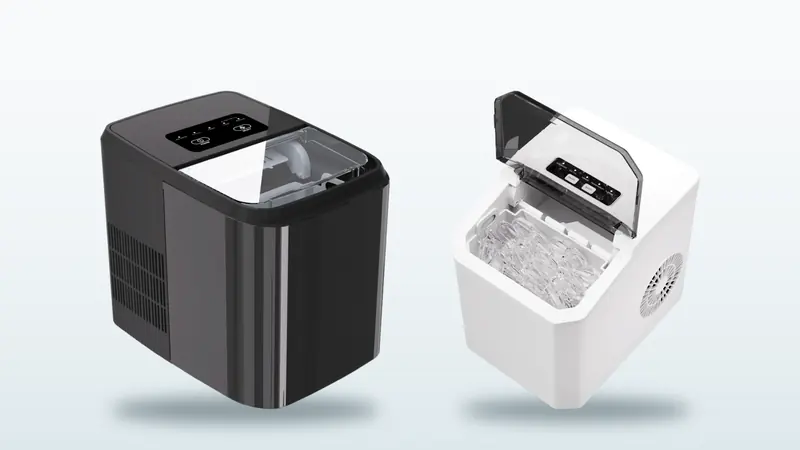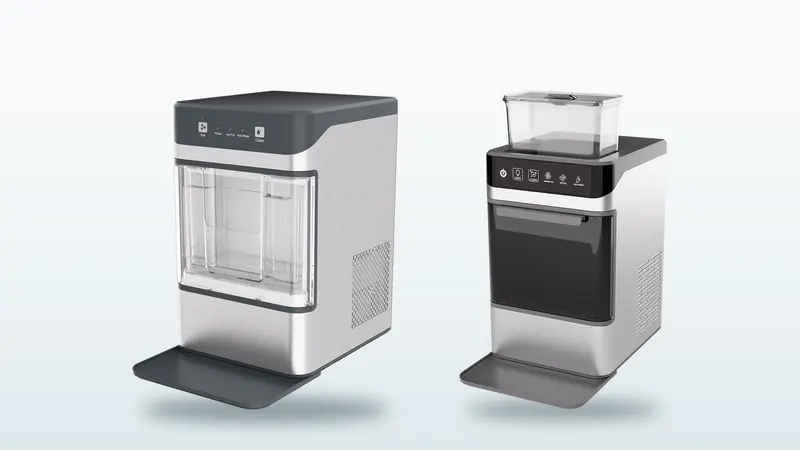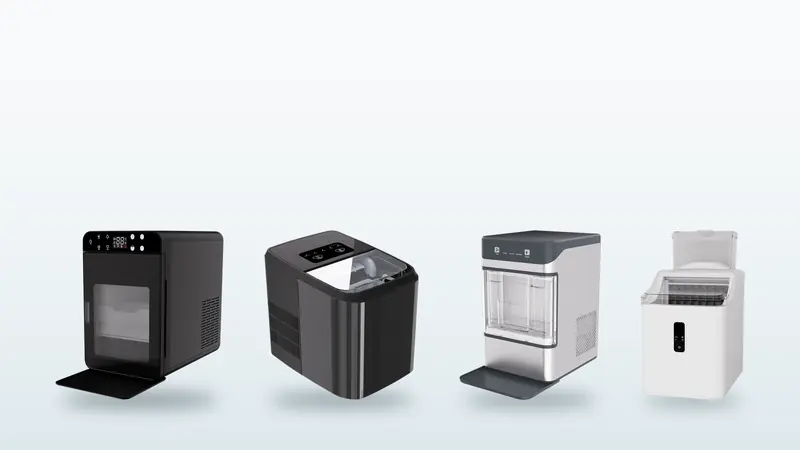
Ice maker refrigerant: R600a, R290 and the rules behind the label
Most new countertop ice makers run on R-600a or R-290. Here is what those labels mean, the US and EU rules behind them, and how to handle a machine with a flammable refrigerant.
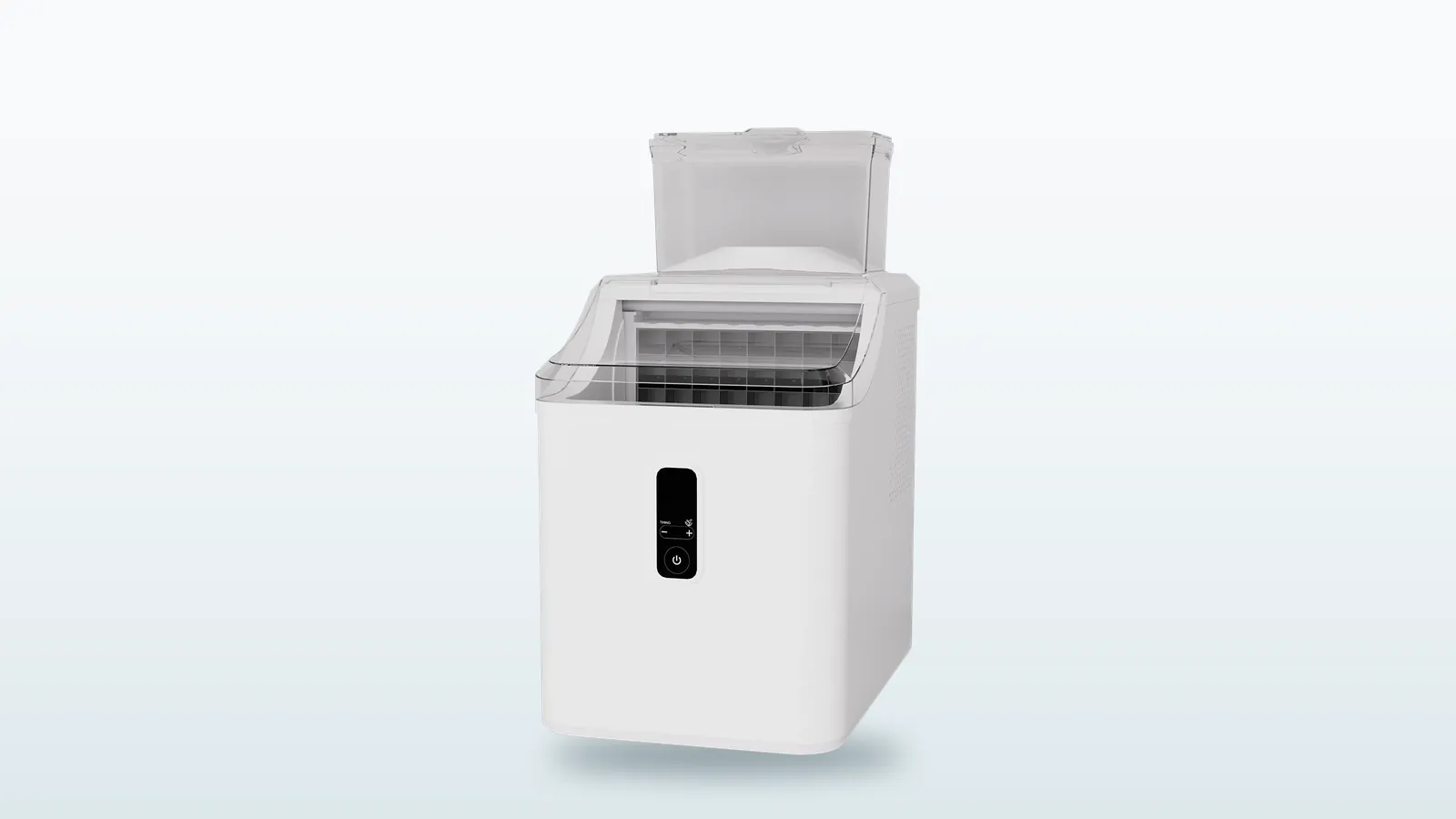
Most people never think about the refrigerant inside their ice maker until they read the warning label on the back. If you are comparing machines, or buying them for a shop or under your own brand, the ice maker refrigerant is worth a minute: it decides which markets a machine can be sold in, and it comes with a few handling rules.
What the refrigerant does
An ice maker does not make cold. A compressor pumps refrigerant through a loop: it sheds heat through the condenser and fan, then pulls heat out of the water at the evaporator, where the ice forms. Our Technology page shows that loop in a 3D teardown.
The amount of refrigerant is small. Whynter's manual for its IMC-270MS countertop ice maker, for example, lists a charge of 23 g of R-600a.
R-600a, R-290 and R-134a: the numbers
Most new countertop ice makers use one of two hydrocarbons:
- R-600a (isobutane)
- R-290 (propane)
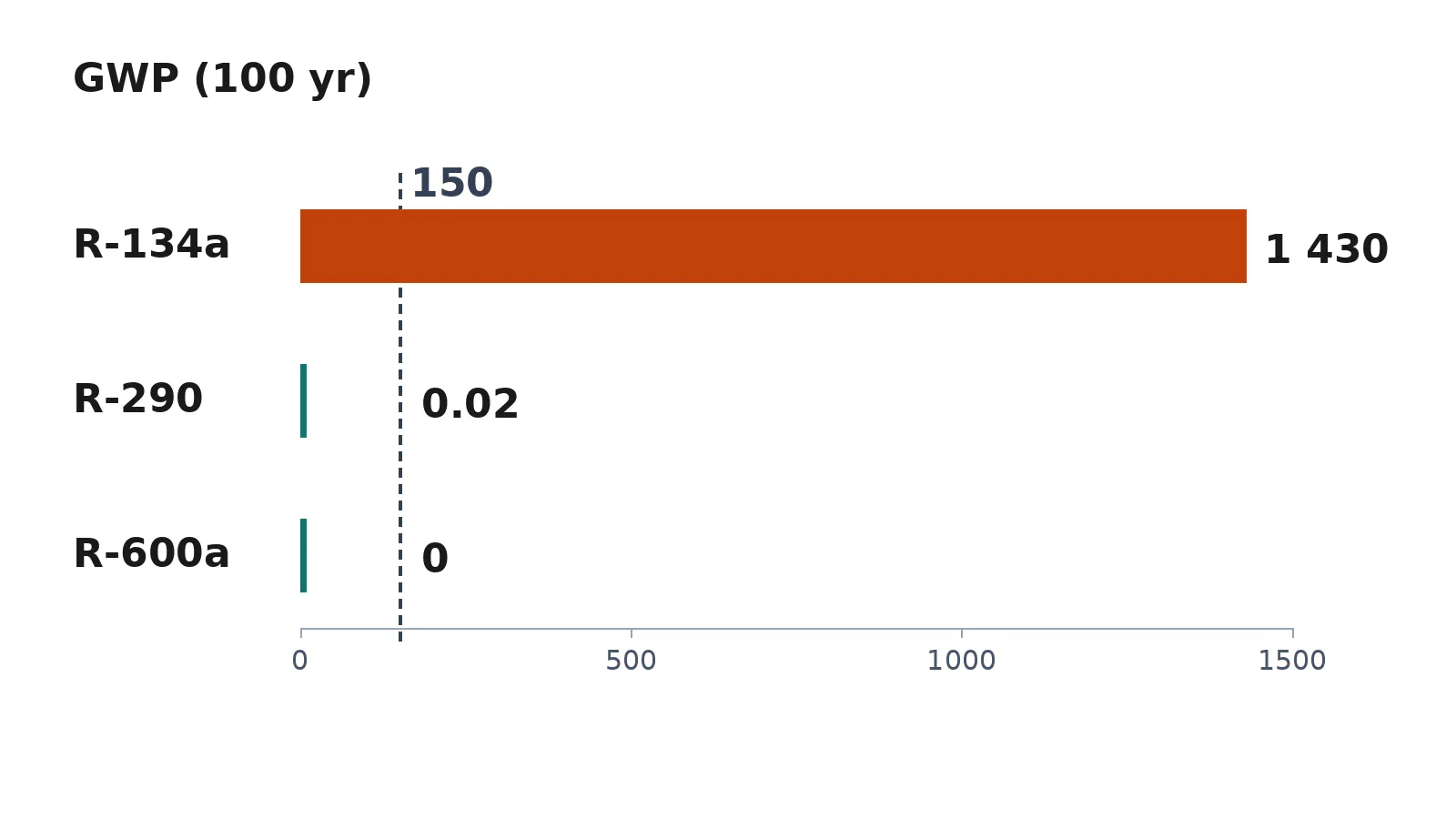
The older alternative is R-134a, a hydrofluorocarbon (HFC) that the rules below restrict. The difference that regulators care about is global warming potential (GWP), the climate effect of a gas compared with the same mass of CO2 over 100 years. The EU's F-gas Regulation (EU) 2024/573 lists:
| Refrigerant | GWP (100 years) |
|---|---|
| R-134a (HFC-134a) | 1,430 |
| R-290 (propane) | 0.02 |
| R-600a (isobutane) | 0 |
US rules: GWP under 150
The US EPA's Technology Transitions rule sets a GWP limit of 150 for new products in several subsectors:
- Household refrigerators and freezers: for products made in or imported into the US from January 1, 2025. The 2023 rule says household ice makers fall in this subsector.
- Self-contained automatic commercial ice machines: from January 1, 2026, for batch machines rated up to 1,000 lb of ice per 24 hours and continuous machines up to 1,200 lb. Larger machines lose a list of HFCs and blends, R-404A and HFC-134a among them, from January 1, 2027.
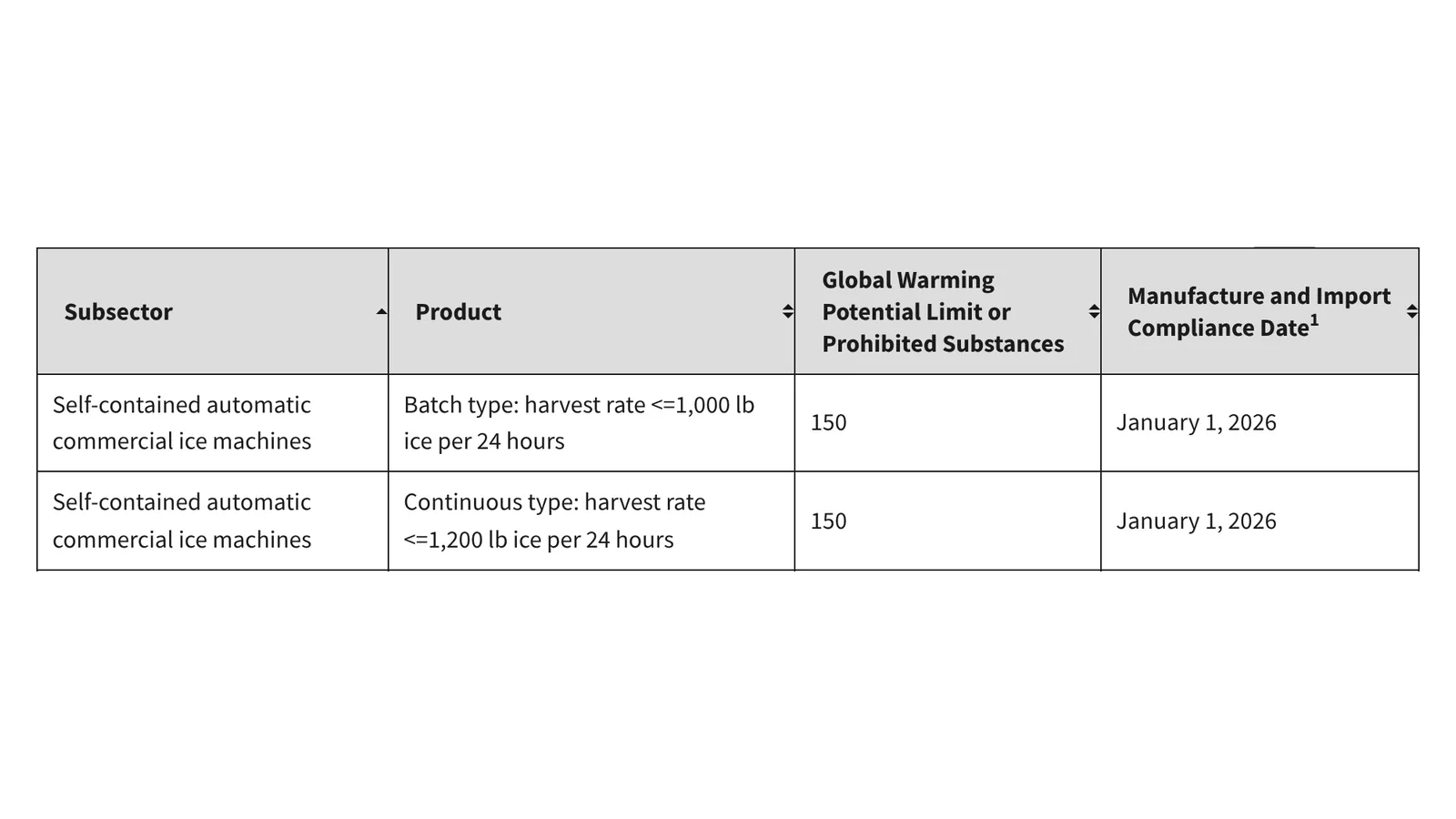
EPA revised parts of the rule in 2026, with a final rule effective July 27, 2026. That revision moved dates for other equipment, such as cold storage warehouses and supermarket systems; EPA's table still lists the ice machine dates above.
EU rules: no F-gases of GWP 150 or more
The EU's Annex IV goes further. Since January 1, 2025, it bans placing on the market any self-contained refrigeration equipment (other than chillers) that contains fluorinated gases with a GWP of 150 or more, unless needed to meet safety requirements on site. For domestic refrigerators and freezers, any fluorinated gas has been banned since January 1, 2026, with the same safety exception.
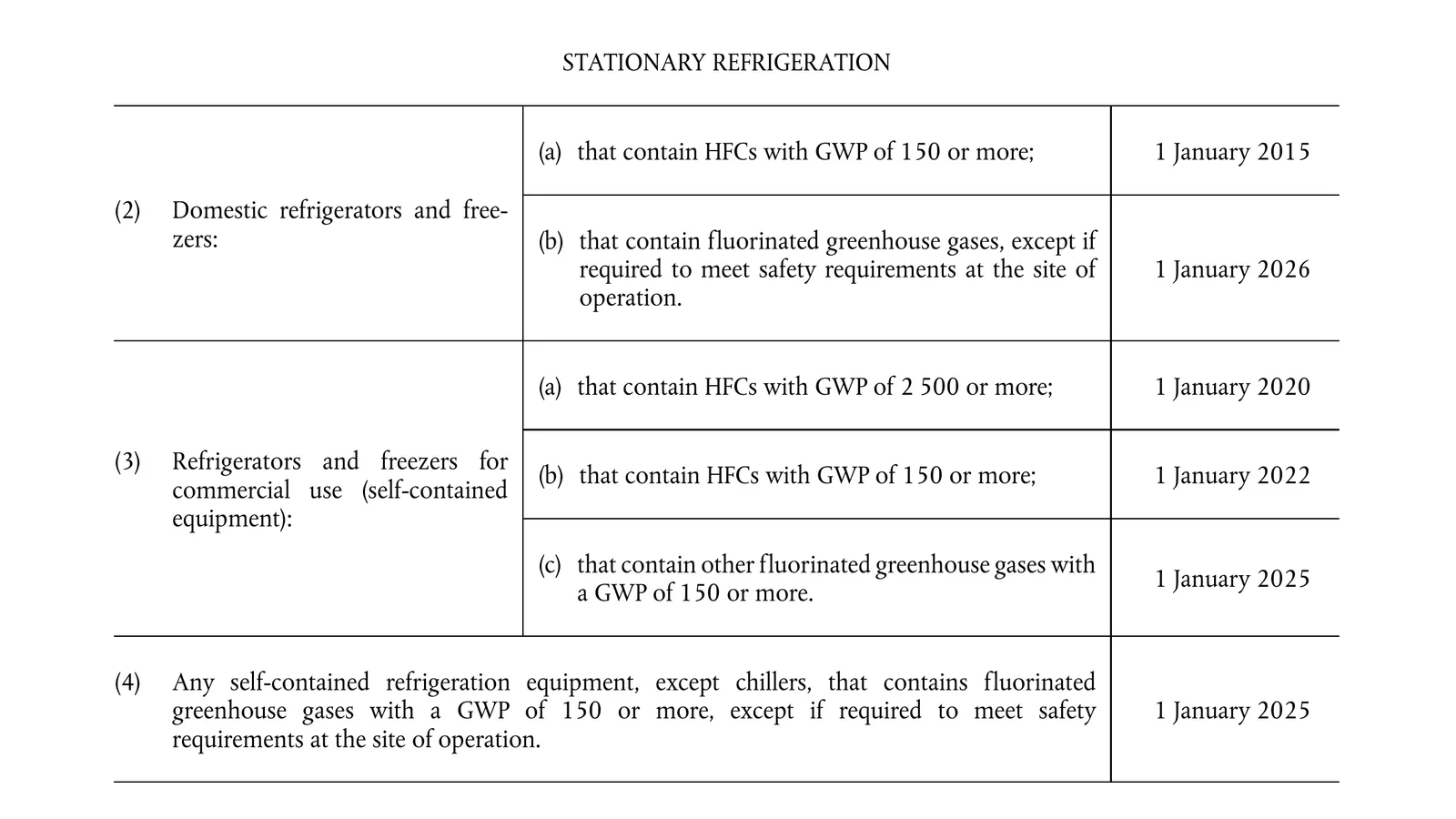
For a new countertop ice maker sold in the US or the EU, a hydrocarbon such as R-600a or R-290 is now the normal choice, not a premium feature.
Flammable, so handle it with care
The trade-off is flammability. UL notes that propane and isobutane are class A3 refrigerants under ASHRAE 34, which it describes as highly flammable, and safety standards cap how much an appliance may contain. For household appliances UL cites limits of about 150 g (0.33 lb), well above the 23 g in the manual above.
That is why the label says "Risk Of Fire or Explosion. Flammable Refrigerant Used." (Whynter IMC-270MS manual). In practice:
- Don't chip at ice with knives or picks. Whynter's manual warns against puncturing the refrigerant tubing and against using mechanical devices to defrost.
- Leave repairs to trained technicians. The refrigerant circuit is sealed at the factory.
- Mind the location in a business. The same manual says not to install the machine in corridors or hallways of public buildings.
- Dispose of it properly. Follow your local rules for appliances that contain refrigerant.
What to check before you buy
- Find the refrigerant on the spec sheet or the rating plate. If it is not listed, ask.
- Match it to where the machine will be sold. If you sell under your own brand, put the refrigerant and its charge on the checklist for every new model and every market.
- Read the warnings in the manual and keep them with the machine, especially in a shop where several people use it.
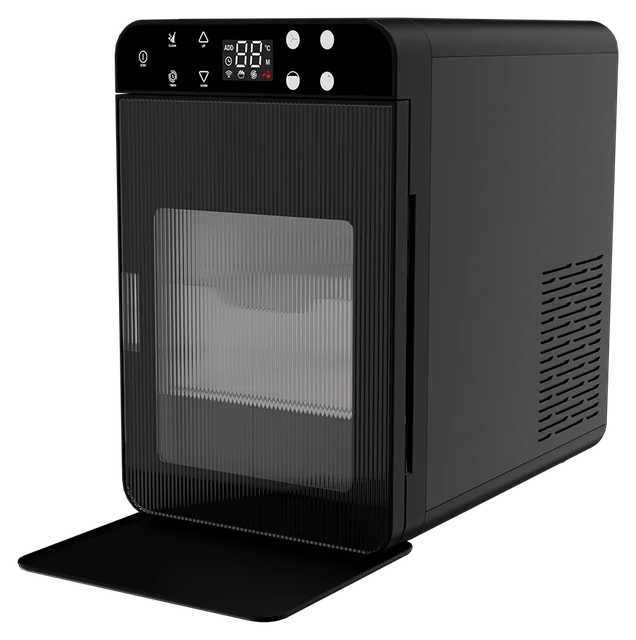
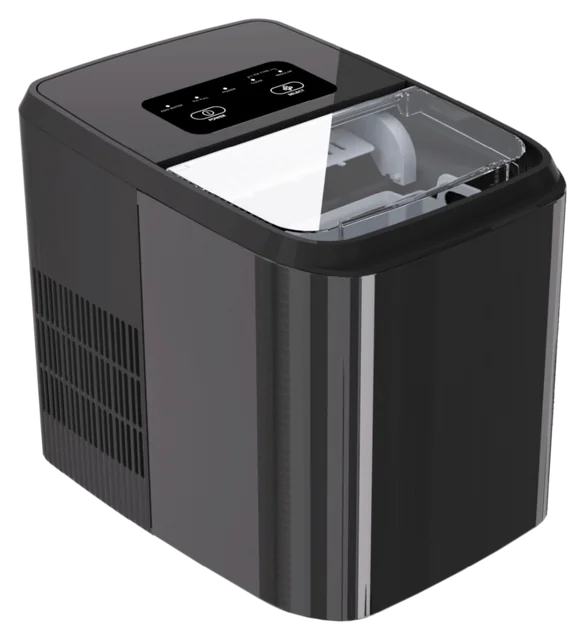
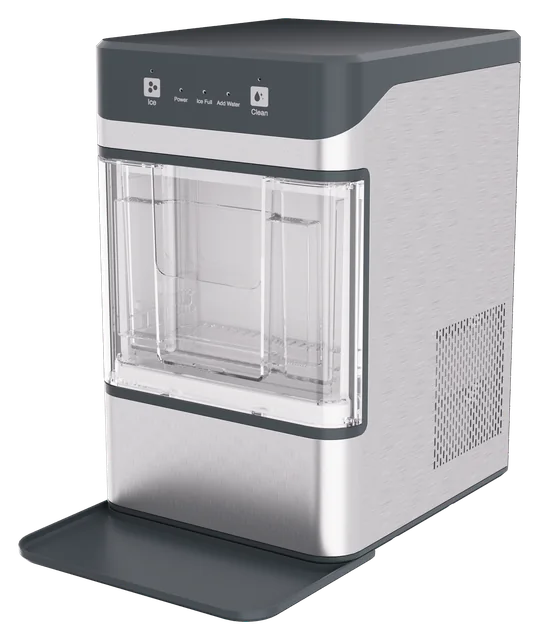
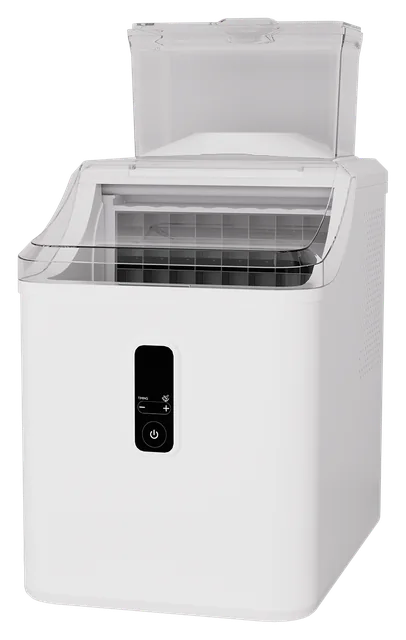
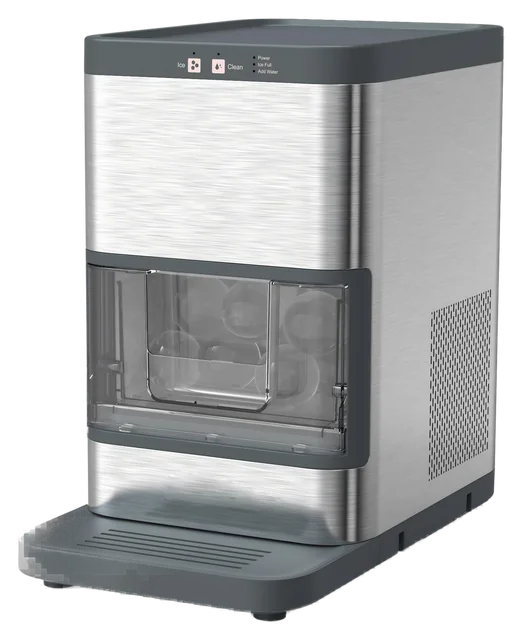
Our countertop cube ice makers include the YH820, whose page lists R290 refrigerant. The nugget and bullet models in our wholesale catalog list R600a. If you are building your own line, our OEM page explains how to start.