Is a countertop ice maker worth it? Speed, output and running cost
A freezer tray takes three to four hours and a refrigerator ice maker makes a few pounds a day. What a countertop ice maker adds, what it costs to run, and when your freezer is enough.
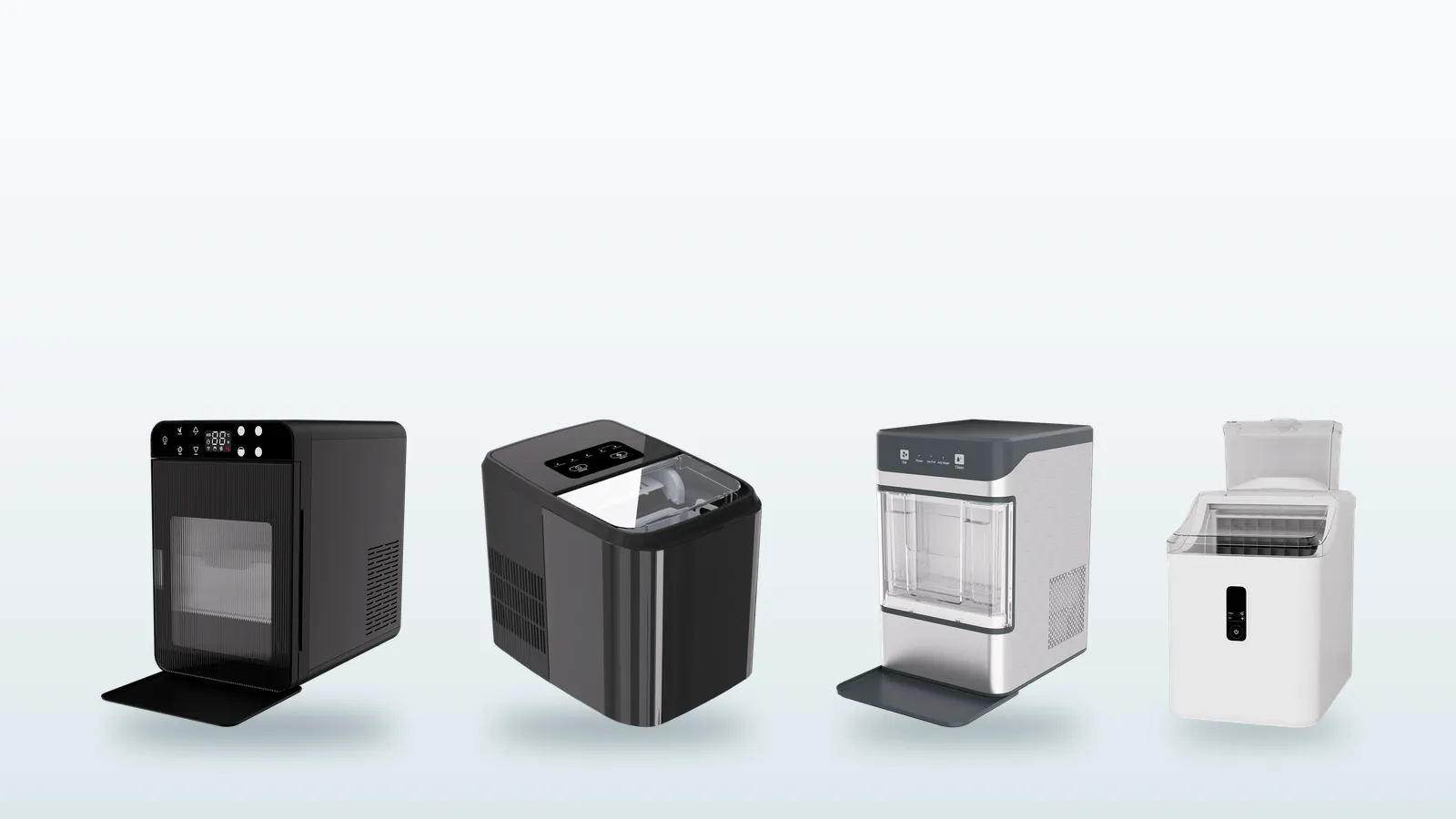
If you keep running out of ice, a countertop ice maker looks like the obvious fix. Whether it is worth the counter space depends on how much ice you use and what kind you like. Here is how it compares with the ice your freezer already makes, with real numbers.
Countertop ice maker vs freezer ice: the numbers
| Ice trays | Refrigerator ice maker | Countertop ice maker | |
|---|---|---|---|
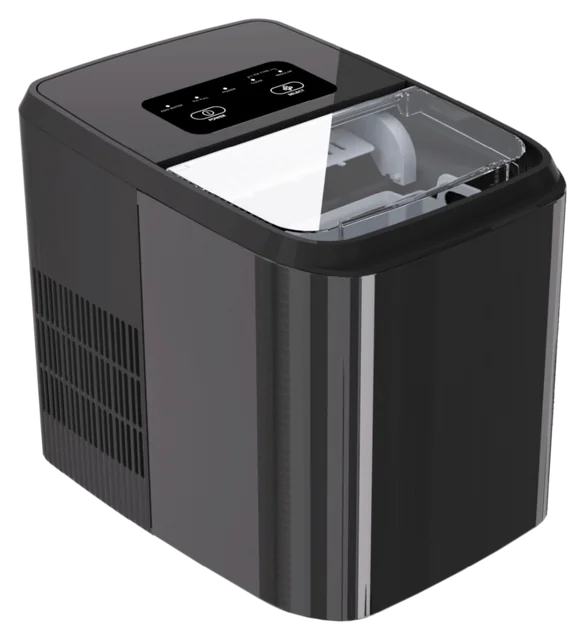
| First ice | About 3–4 hours | — | 6–8 minutes on our nugget machines and YH16 bullet series |
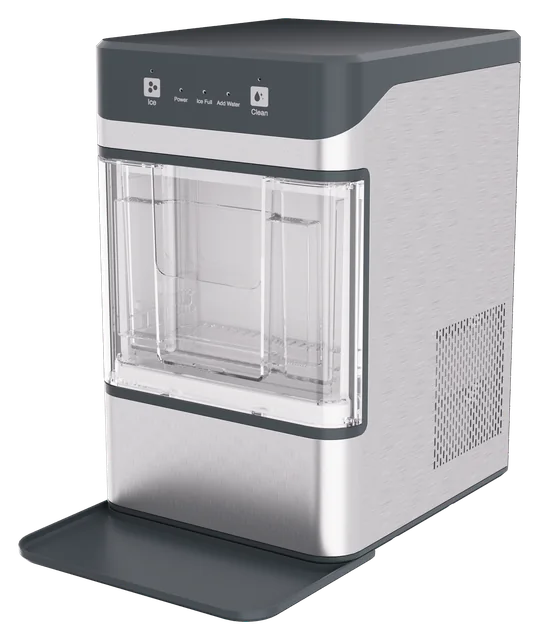
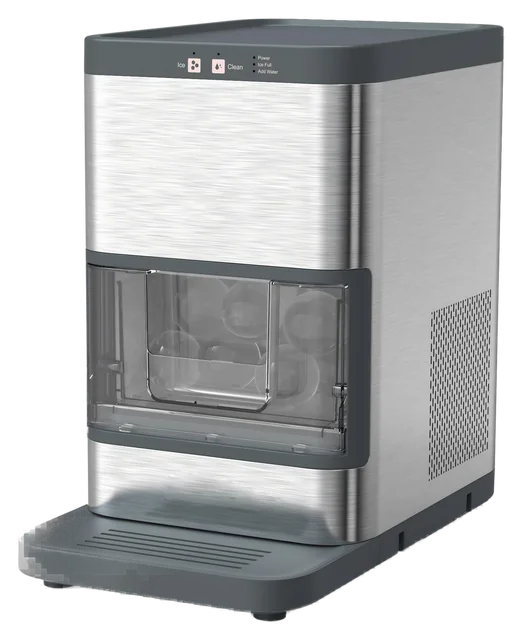
| Ice per day | As many trays as you fill | Up to about 4 lb (1.8 kg) for GE's IM6D kit | Up to 15 kg (33 lb) on our nugget machines |
| Water | Filled by hand | Connected to the water supply | Poured into a tank, no plumbing |
| Storage | Stays frozen | Stays frozen | Insulated basket, not a freezer |
NewAir puts the time for a tray of cubes at about three to four hours in a home freezer. GE Appliances says its IM6D refrigerator ice maker kit, which comes with fill tubes and a water valve, "produces up to 4 pounds of ice per day". The countertop figures come from our factory spec sheets.
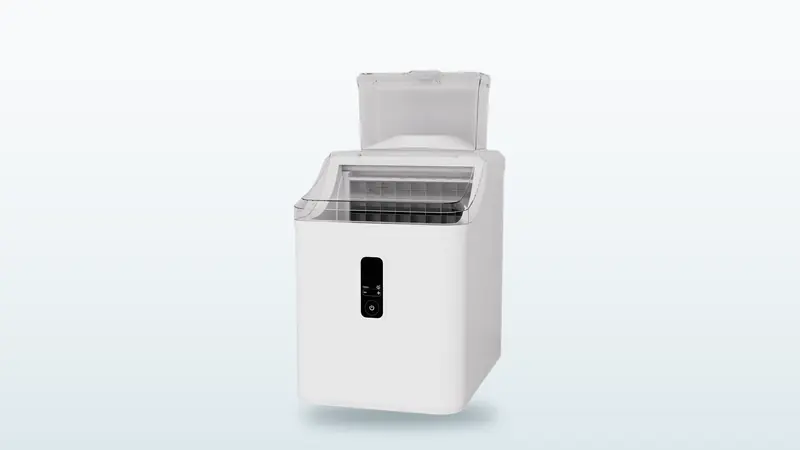
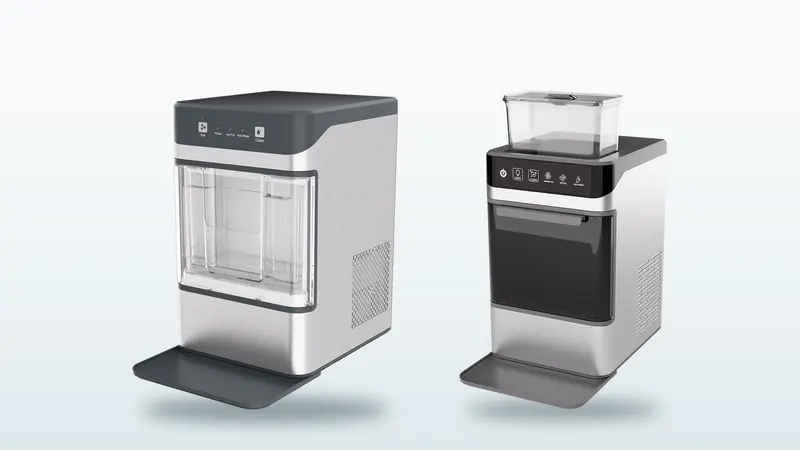
That is the real difference: a countertop machine gives you ice in minutes and keeps making it. Our countertop nugget ice makers are rated at up to 15 kg (33 lb) a day, about eight times what that refrigerator kit is rated for.
What it costs to run
The factory sheets of our nugget machines (the YH4025 family) and our YH16 bullet series give 130 W. Even running nonstop for 24 hours, that is 3.12 kWh, or about 57¢ at 18.2¢ per kWh, the US Energy Information Administration's forecast of the average residential price for 2026. The ice-full sensor pauses the machine when the basket is full, so a normal day costs less. Our guide to how much electricity and water a countertop ice maker uses has the details, including UK and EU prices.
The catches
- The basket is not a freezer. It is insulated, not frozen, so ice slowly melts and the water flows back to be made into ice again. For a stock that lasts, bag the ice, put it in the freezer and switch the machine off.
- It needs air around it. Leave space at the sides and back and keep the vents clear; we don't recommend running one inside a cabinet.
- It needs regular cleaning. Drain and dry the reservoir weekly and deep-clean monthly, following the manual. Hard water means descaling more often: see how to clean and descale a countertop ice maker.
- The first batches are small. The system is still cooling down; it settles after the machine has run for a while.
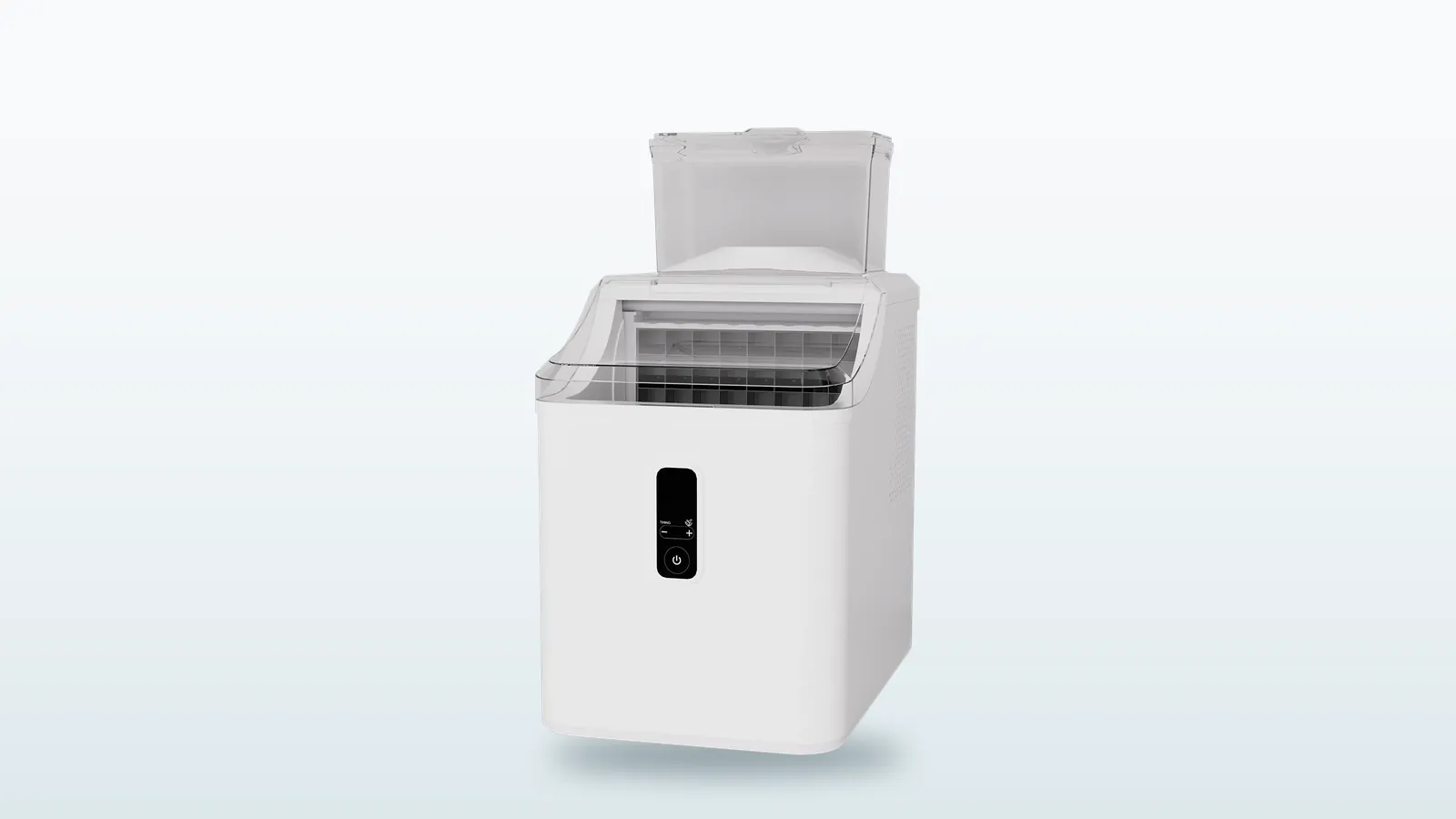
Who a countertop ice maker is worth it for
- You entertain often, or fill pitchers and coolers: up to 15 kg a day goes a long way.
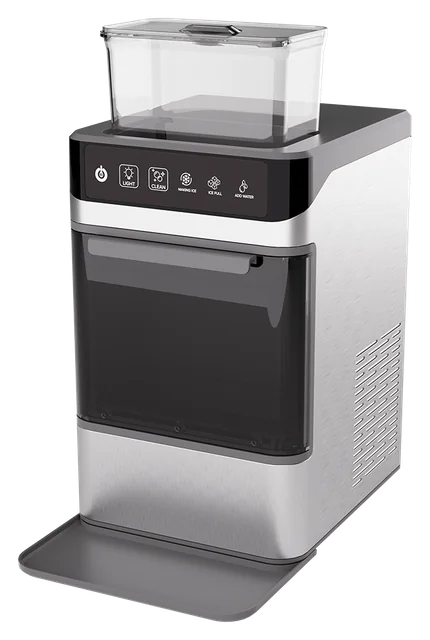
- You want soft, chewable ice. Nugget ice comes from a different machine: thin ice is scraped off a cold cylinder and pressed into pellets (how it is made).
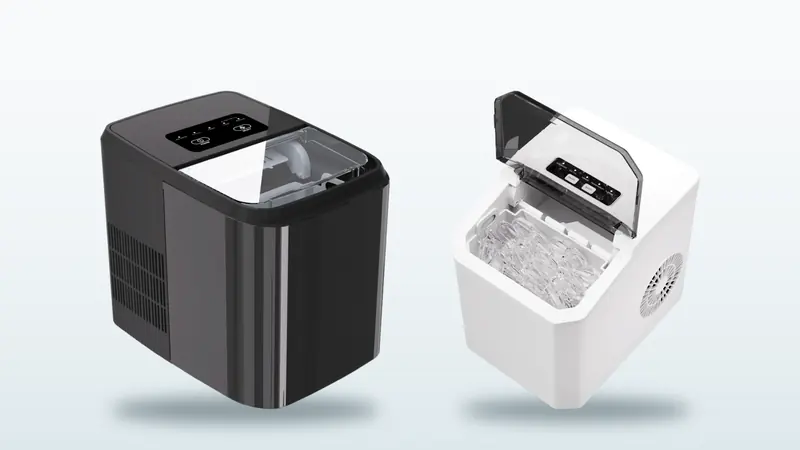
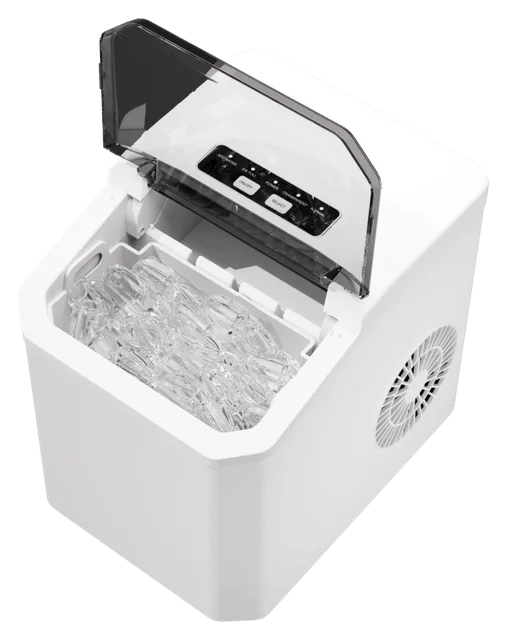
- You have a home bar. Our countertop bullet ice makers switch between clear and regular ice, and the YH1800 sphere ice maker makes four 55 mm spheres per cycle.
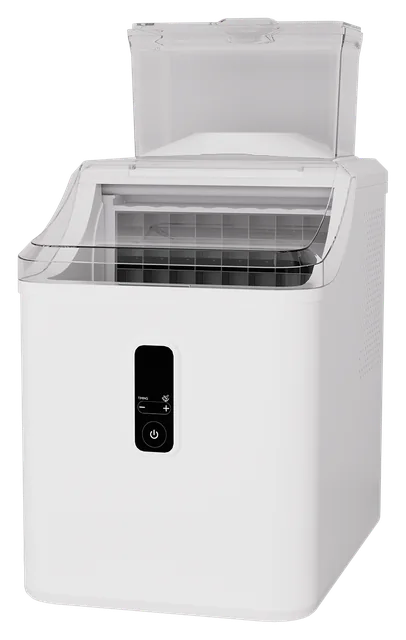
- Your fridge has no ice maker, or no water line for one: a countertop machine only needs a power outlet. The YH820 countertop ice cube maker, for example, fills from a 1.6 L tank on top.
When your freezer is enough
If you use a handful of cubes a day and don't mind waiting, trays or a refrigerator ice maker will do, and they keep the ice frozen for as long as you like. A countertop machine earns its place when you want plenty of ice quickly, or a kind of ice your freezer can't make.