How much ice does a café or bubble tea shop need? Sizing an ice maker
How to work out how much ice your café, bubble tea shop or bar uses per day, why a countertop machine's rating is a 24-hour figure, and the ice hygiene rules inspectors check.
How much ice a café, bubble tea shop or small bar needs is the first question to answer before you buy an ice maker, and the answer is usually "more than the spec sheet suggests". Here is a simple way to size it, using rules of thumb that ice machine makers publish, plus the hygiene basics that health inspectors look for.
How much ice does a café or bubble tea shop need?
Commercial ice machine maker Ice-O-Matic publishes approximate daily ice use by type of business. The figures most useful for drink shops:
| Where the ice goes | Approximate ice per day |
|---|---|
| Restaurant | 1.5 lb (0.7 kg) per person |
| Cocktail service | 3 lb (1.4 kg) per seat |
| 7–10 oz drink | 5 oz of ice |
| 12–16 oz drink | 8 oz of ice |
| 18–24 oz drink | 12 oz of ice |
The per-cup rows were written for quick-service drinks, but they map neatly onto iced coffee and milk tea. A typical 16 oz (about 500 ml) iced drink takes roughly 8 oz, or 227 g, of ice. Multiply by the drinks you sell on a busy day, then add a margin: Ice-O-Matic recommends building in at least 20% extra capacity, and asks whether your machine still keeps up during the hottest time of the year.
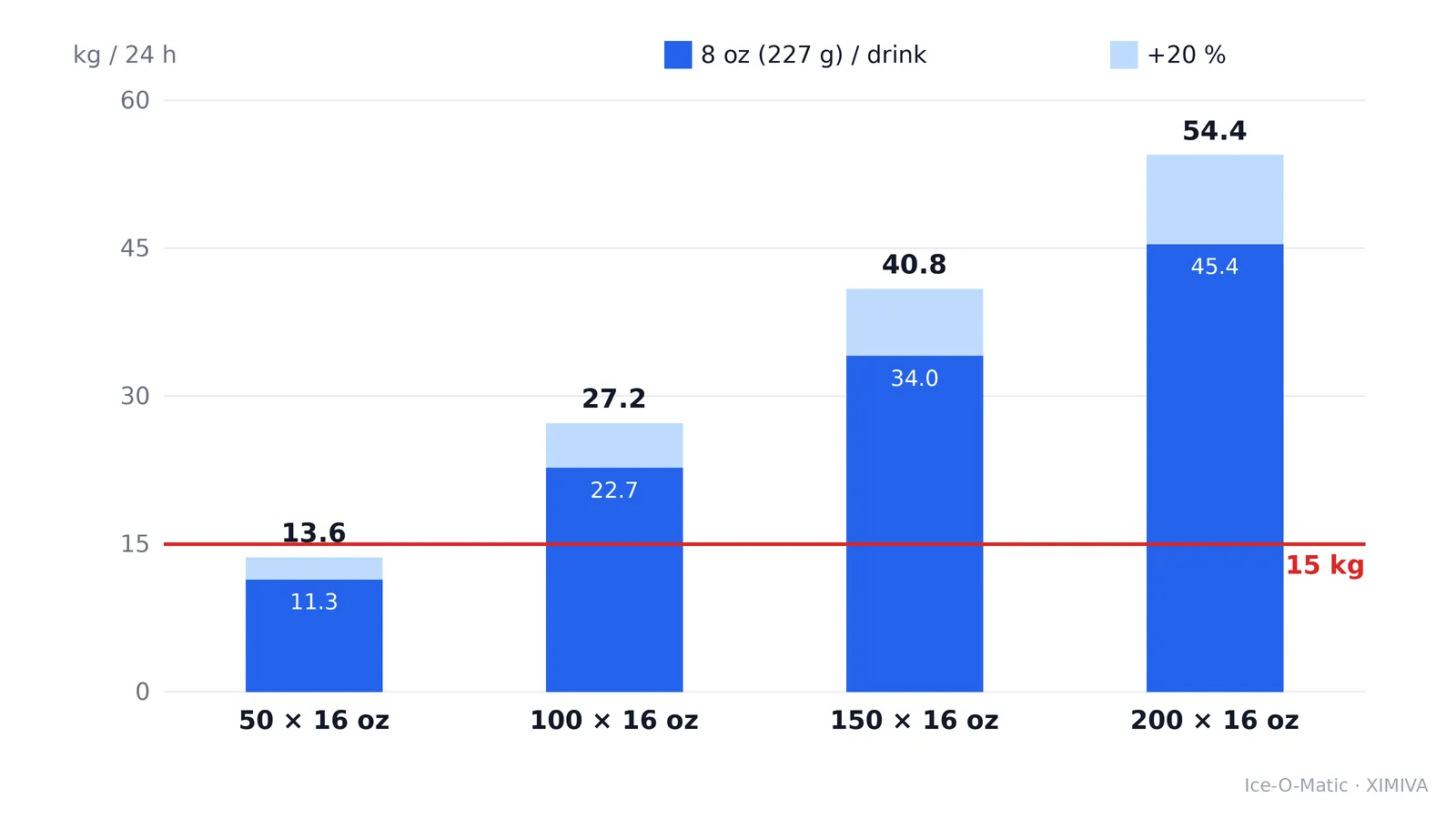
So 100 iced drinks a day already needs about 23 kg of ice, or 27 kg with the margin.
Daily output is a 24-hour number, not a rush-hour number
Ice machine ratings are measured over a full 24-hour cycle, not a single service shift, as equipment dealer KaTom points out. A countertop machine rated at 15 kg a day makes a little over 0.6 kg an hour. If 30 iced drinks go out between noon and 1 pm, that hour alone needs about 7 kg.
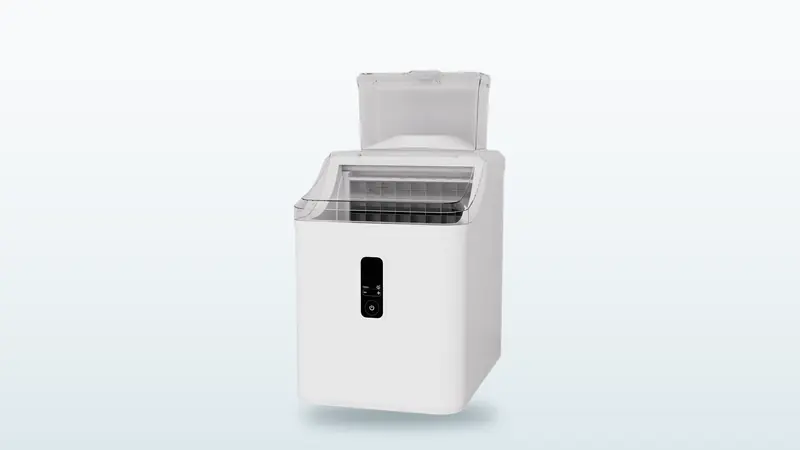
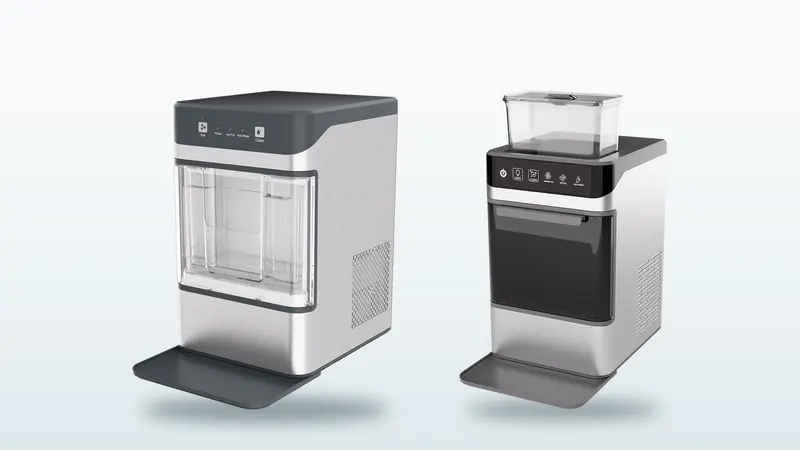
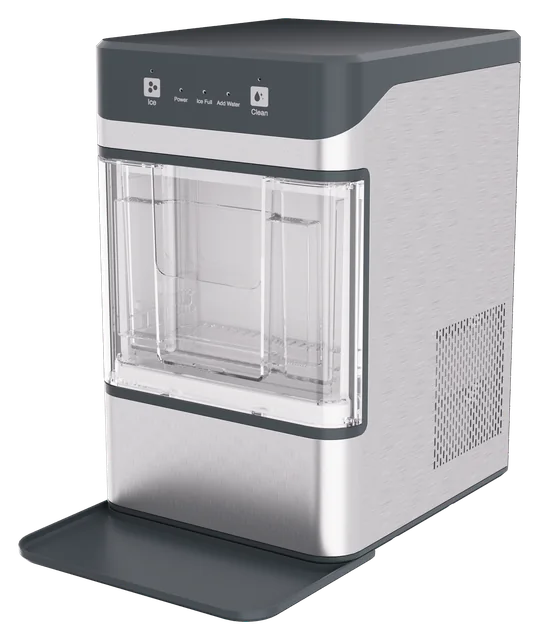
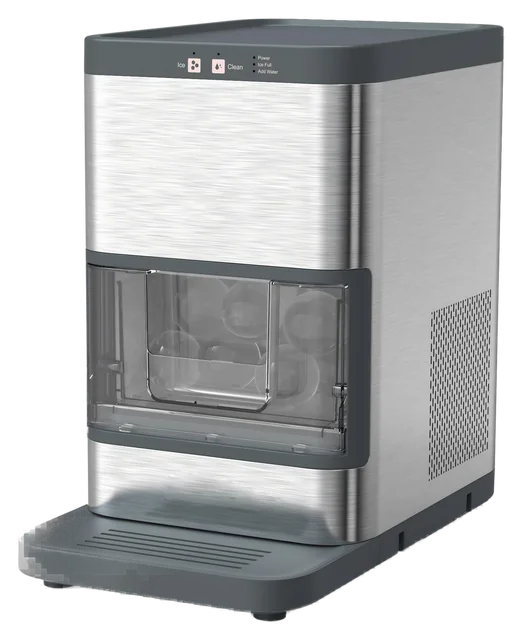
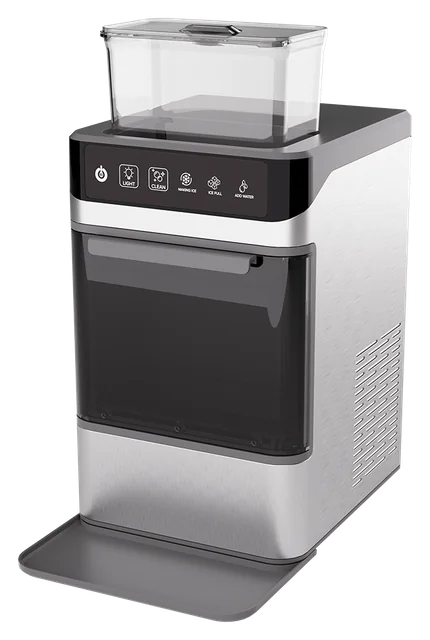
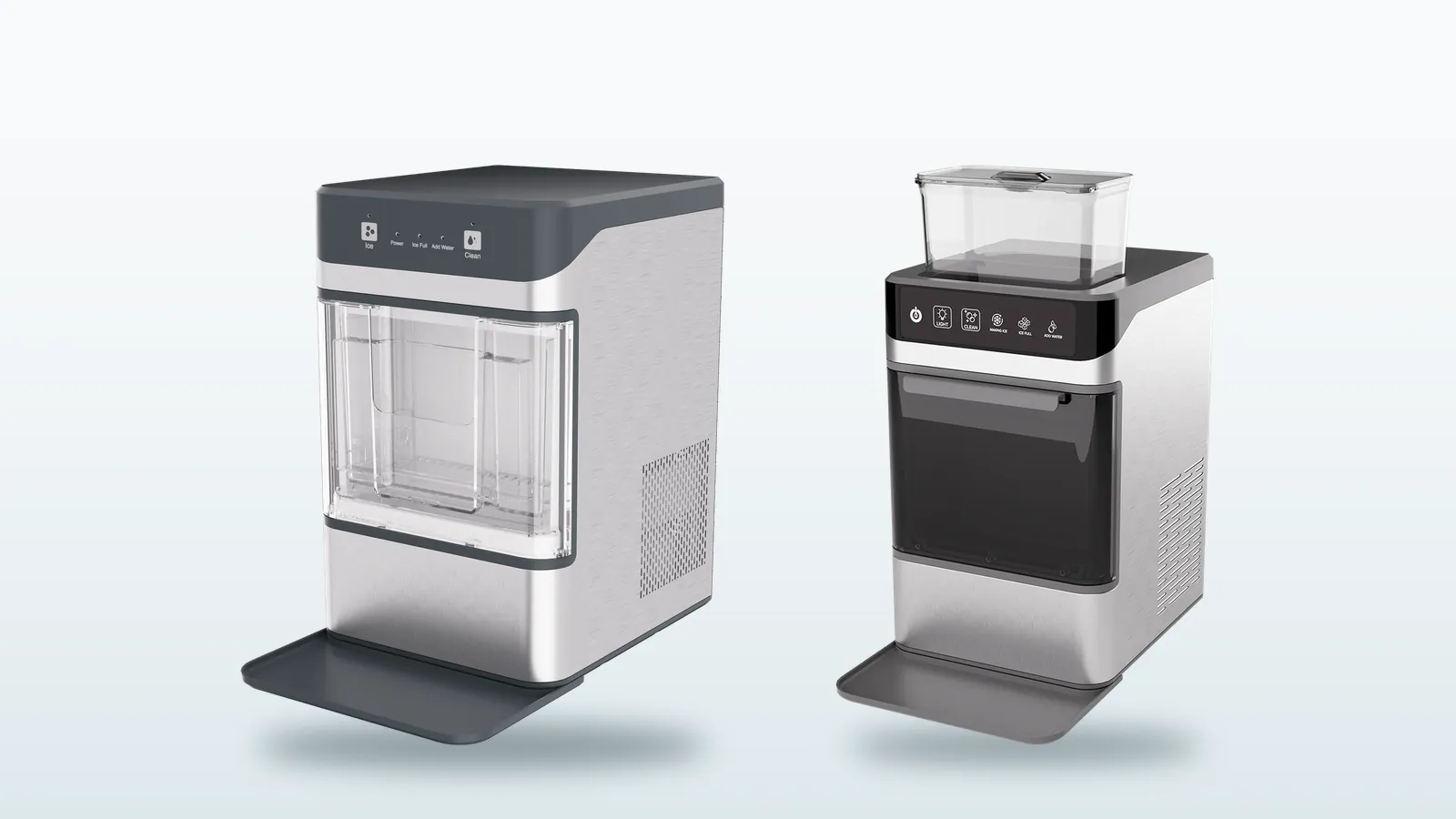
The bin matters for the same reason. KaTom suggests a storage bin of about 75–80% of a machine's daily production. Countertop machines hold far less: the nugget models in our wholesale catalog make 15 kg a day but hold 0.95 kg in the bin.
A countertop ice maker in a shop works as a steady supply that you bank ahead of the rush, not as a machine that keeps pace with it.
In practice that means:
- Run the machine around the clock and move ice into a covered, sanitized container or freezer before the bin fills.
- Check the allowed room temperature. Our wholesale nugget models list 10–32 °C (50–90 °F); output drops as a back counter heats up in summer.
- If your busy day needs more than one machine's output with the margin, use two machines, or treat the countertop unit as a second ice type next to a larger commercial machine.
Which ice for which drink
Shops often need two kinds of ice rather than one big machine:
- Nugget (pebble) ice for milk tea, sodas and juice: soft, chewable and quick to chill. See our countertop nugget ice makers.
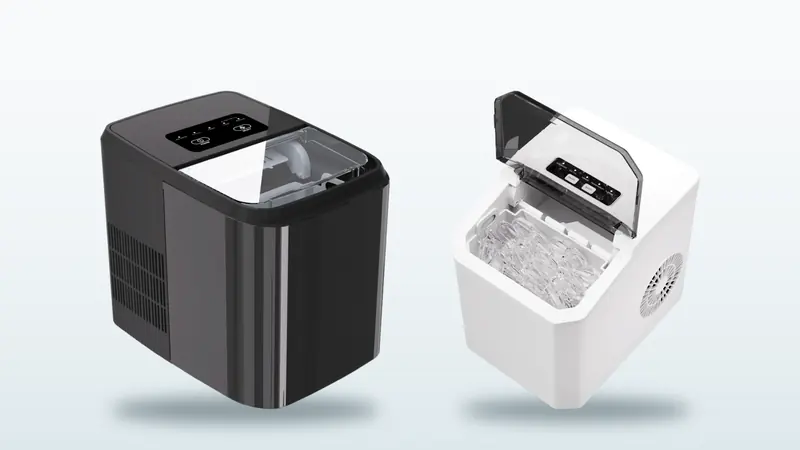
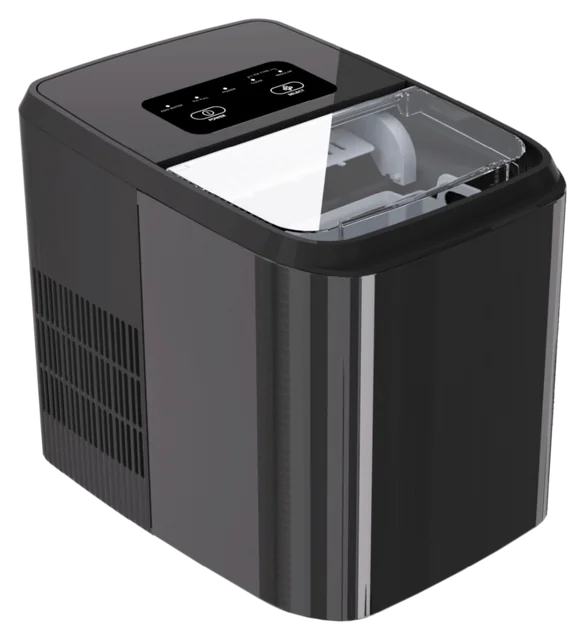
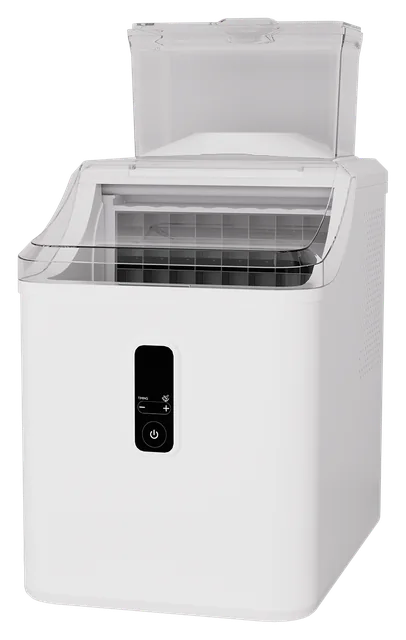
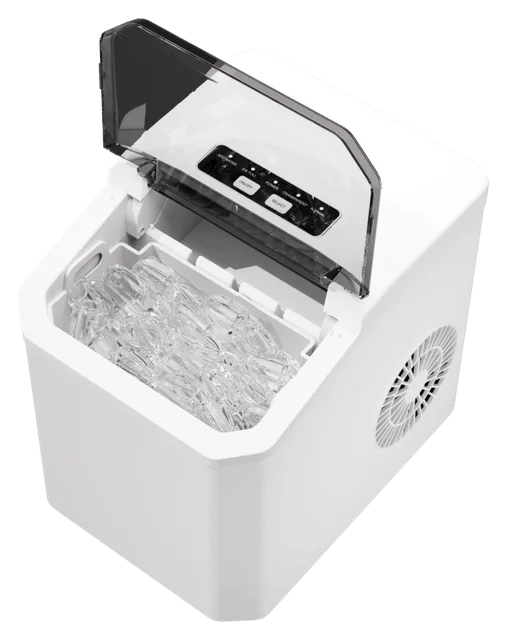
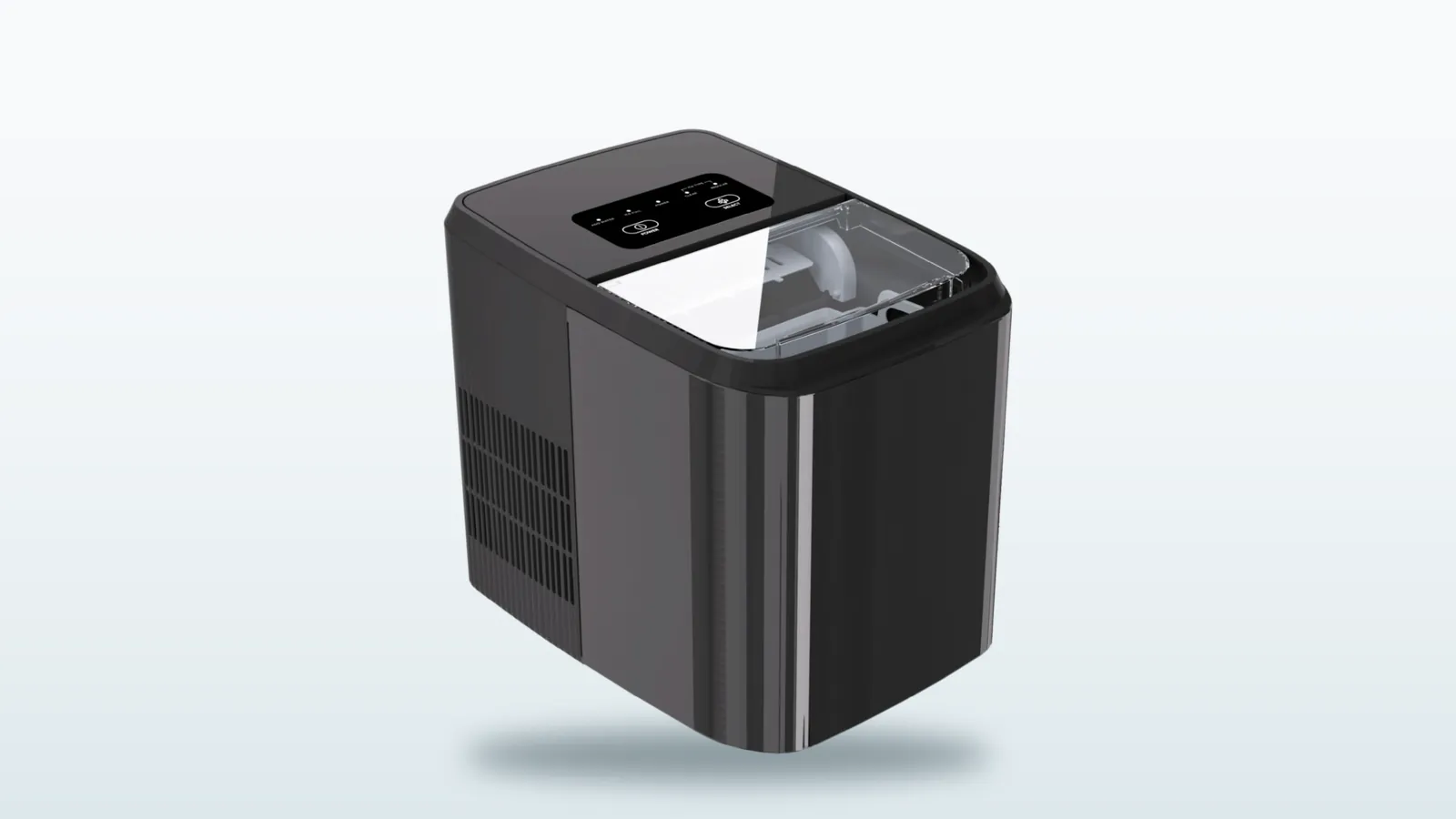
- Bullet or cube ice for iced coffee, iced water and general use. Our bullet ice makers include the YH515, rated at 15 kg a day with a clear or regular ice mode. For cubes, the YH820 makes up to 11.8 kg a day and comes with a scoop.
- Spheres for whiskey at a bar, made a few at a time.
Ice is food: the hygiene basics
US food codes treat ice as food. Minnesota's food rule, which follows FDA Food Code section 3-202.16, says ice for use as food or as a cooling medium must be made from drinking water. Washington's rule, following Food Code 3-303.11, says ice used to cool the outside of canned drinks, fruit or equipment coils may not then be used as food. Keep "cooling ice" and "drink ice" apart.
The DC Department of Health's ice fact sheet adds the daily habits inspectors check:
- Use a scoop or tongs, and store them in a sanitary place between uses.
- Never scoop ice with a glass or bare hands.
- Keep ice machines and bins clean; mineral build-up can harbor bacteria.
- Cover ice storage containers when not in use.
Whatever you buy, follow the cleaning schedule in its manual. Our cleaning and descaling guide covers how.
A quick sizing checklist
- Count iced drinks on your busiest day and multiply by the ice per cup.
- Add at least 20%.
- Compare with output at your room temperature, not the headline figure.
- Plan where the ice waits between batches: a covered, sanitized container.
- Decide whether you need one ice type or two.
If you are equipping several shops or want machines under your own brand, our wholesale catalog lists output, bin size and power for each model.