How to make clear ice at home: why ice is cloudy and what works
Boiling or distilled water won't fix cloudy ice; the direction it freezes in will. Why ice turns cloudy, how to freeze clear ice in a cooler or an ice tray, and how ice makers do it.
Most advice on how to make clear ice at home starts with the water: boil it, filter it, buy distilled. Kitchen tests point elsewhere. Better water helps a little; what decides whether ice comes out clear is the direction it freezes in. Here is why, how to do it at home, and how ice makers do it.
Why is ice cloudy?
Ice can't hold as much dissolved air as liquid water, so freezing water pushes the extra air out ahead of the ice, a Purdue University materials engineering Q&A explains. An ice tray freezes from the outside in, so the air, along with minerals and other bits in the water, ends up in the middle, which freezes last. That is the white core.
Does boiled or distilled water help?
Only a little. America's Test Kitchen tried both. Distilled water cut the impurities to nearly zero, but the cubes still had big air bubbles. Boiling the water and pouring it straight into the tray drove off most of the air, yet the ice still had a hazy center, just a smaller one.
Cocktail writer Camper English, who has written about clear ice at home since 2009, is blunter in Whisky Advocate: "Boiling water does not make clear ice." Boiling may help slightly, he says, but it's no match for freezing direction.
Clear ice is about direction, not the water. Freeze it from one side, and the cloudy part ends up where you can cut it off.
How to make clear ice: freeze it from the top down
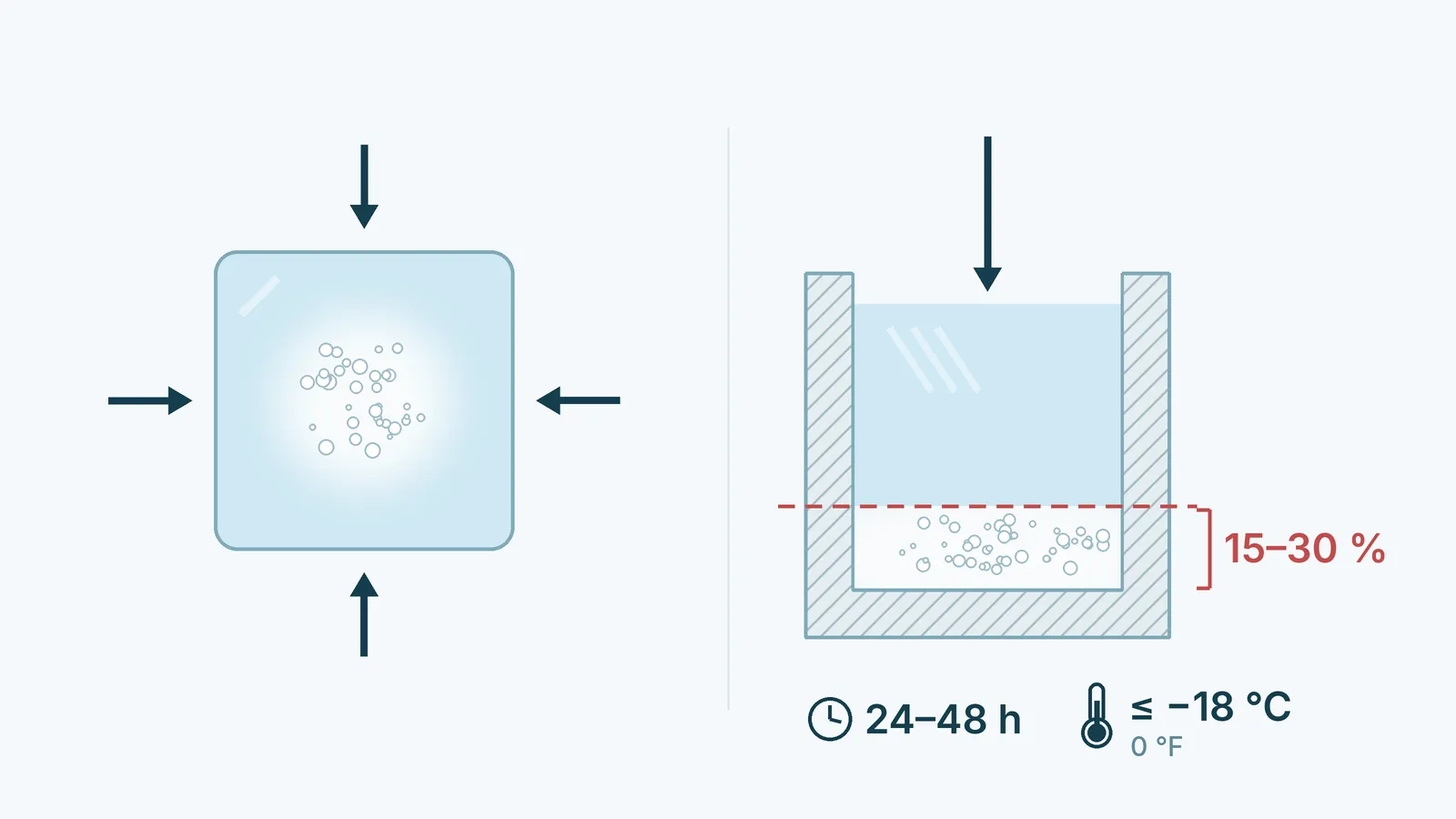
Insulate the sides and bottom so the water can only freeze from the open top, like a lake in winter, pushing air and minerals down into the part that freezes last.
With ice trays. America's Test Kitchen stood two trays in a baking dish lined with folded dish towels, tucked more towels around them and froze them uncovered for at least 8 hours. With boiled distilled water, the cubes came out about 95% clear.
With a small cooler, for big, whiskey-sized pieces. Fill a hard-sided cooler that fits your freezer and freeze it with the lid off. When Camper English first left the lid on, the water had barely started to freeze after two days. Take the block out after one to two days, before it freezes solid, and pour away any water left inside.
His troubleshooting tips:
- About 15–30% of the block will always be cloudy: the bottom, which freezes last. Cut it off.
- Don't move the cooler or slam the freezer door. Vibration knocks air bubbles together, leaving trails of them in the ice.
- A warmer freezer generally gives clearer ice, as long as it stays food-safe at 0 °F (−18 °C) or colder.
- Unscrew the aerator from the faucet before filling, so less air goes into the water.
To cut the block, Whisky Advocate's guide uses a serrated knife, cut-resistant gloves and a wooden mallet to tap the knife through. Store the pieces in a zip-top bag in the freezer, and let each sit at room temperature for 5 to 10 minutes before it goes into the glass, so it doesn't crack.
How ice makers make clear ice
Machines keep the water moving instead. A US patent for a home clear-ice maker, granted to U-Line and Manitowoc in 2000, explains that water left to freeze standing still traps air and impurities. When water flows over the freezing surface, the pure water freezes first and the impurities stay behind in the moving water.
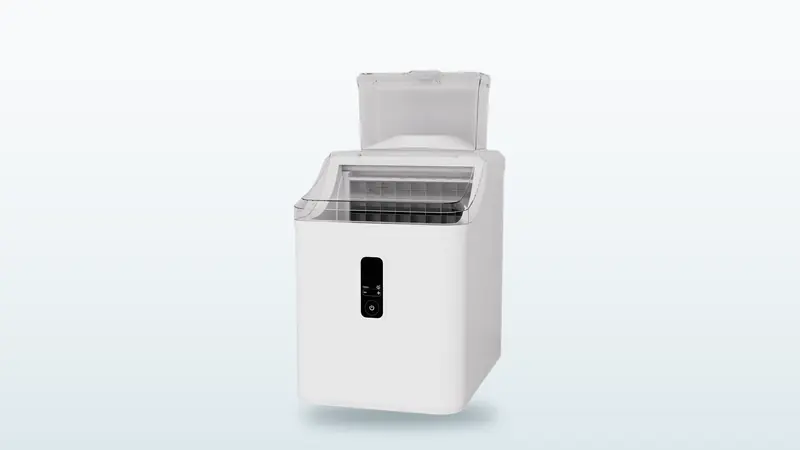
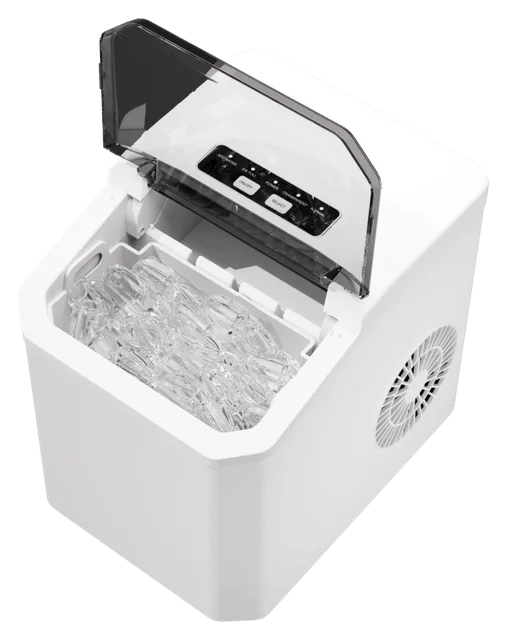
Our countertop sphere ice makers build on that idea: water circulates in the mold as it freezes from the wall inward, pushing air bubbles out of the way for a clearer sphere. The YH1800 makes four 55 mm spheres per cycle; the YH1600 makes 55 or 50 mm.
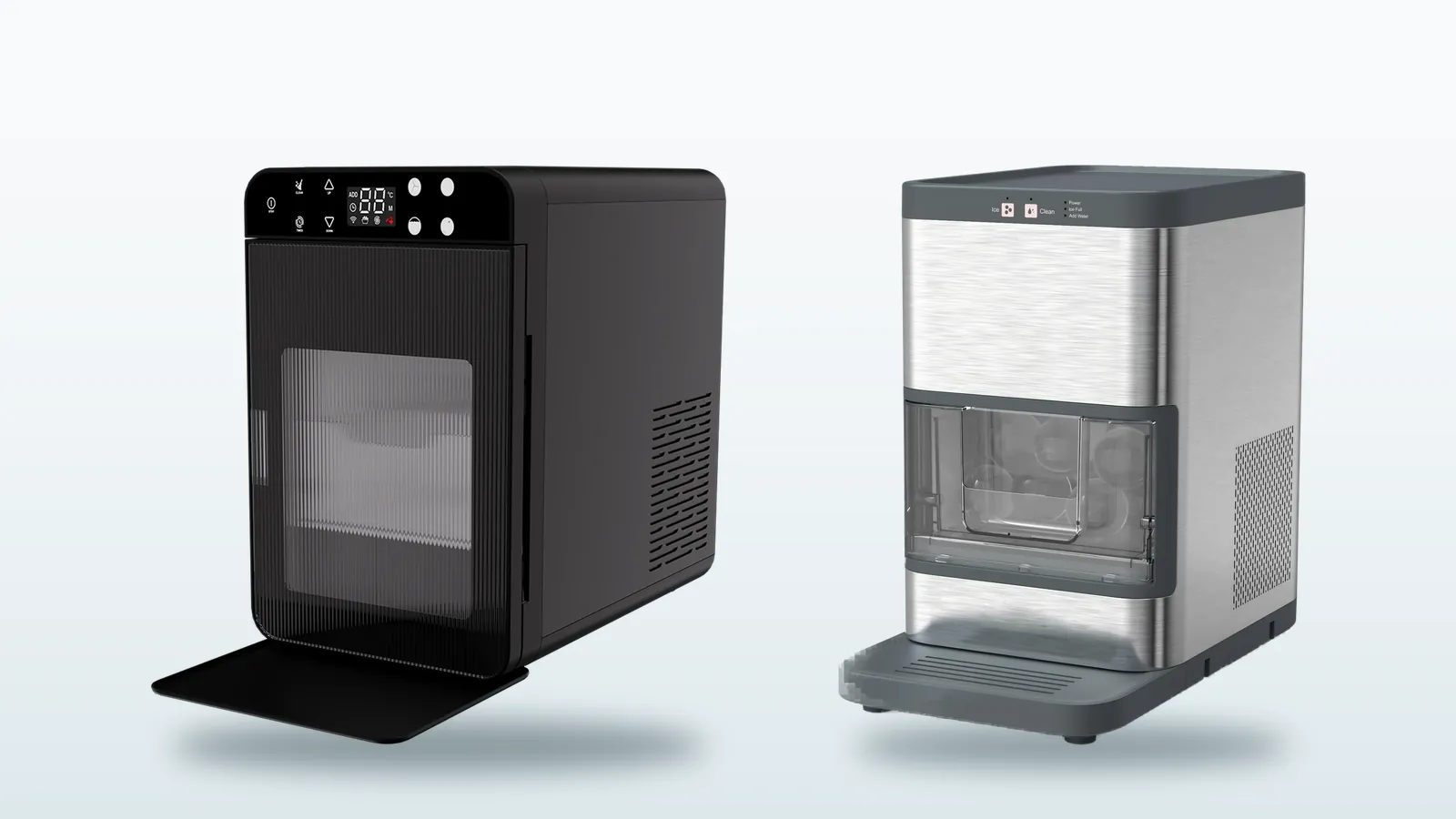
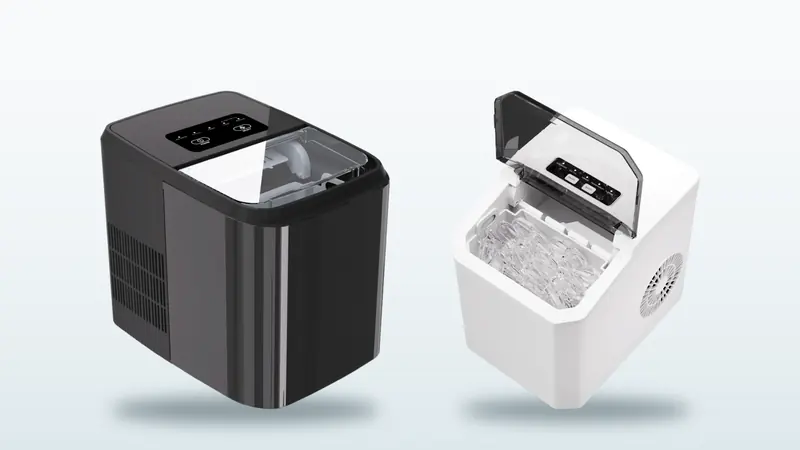
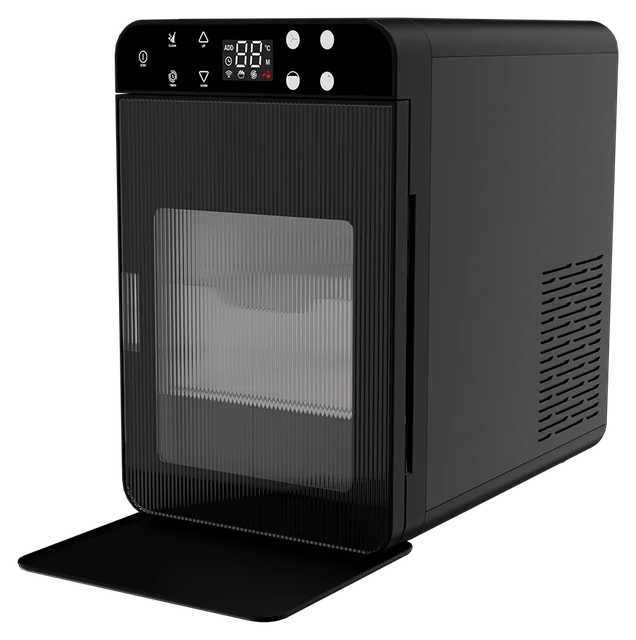
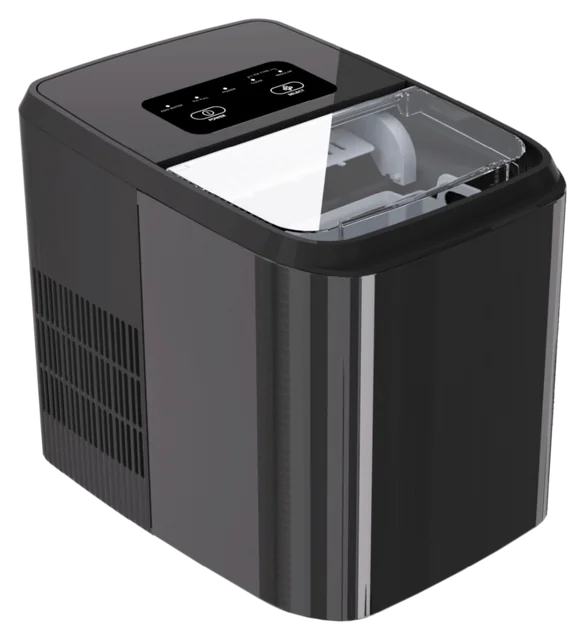
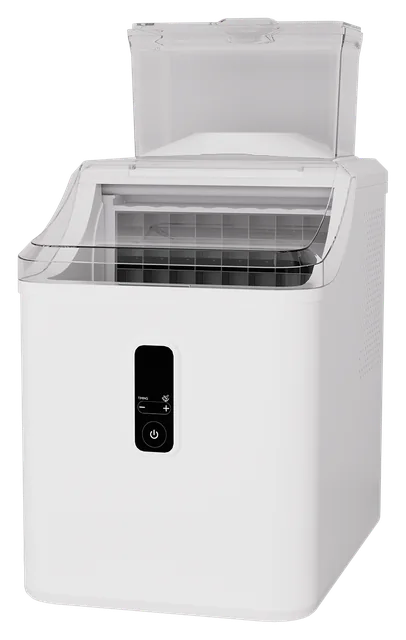
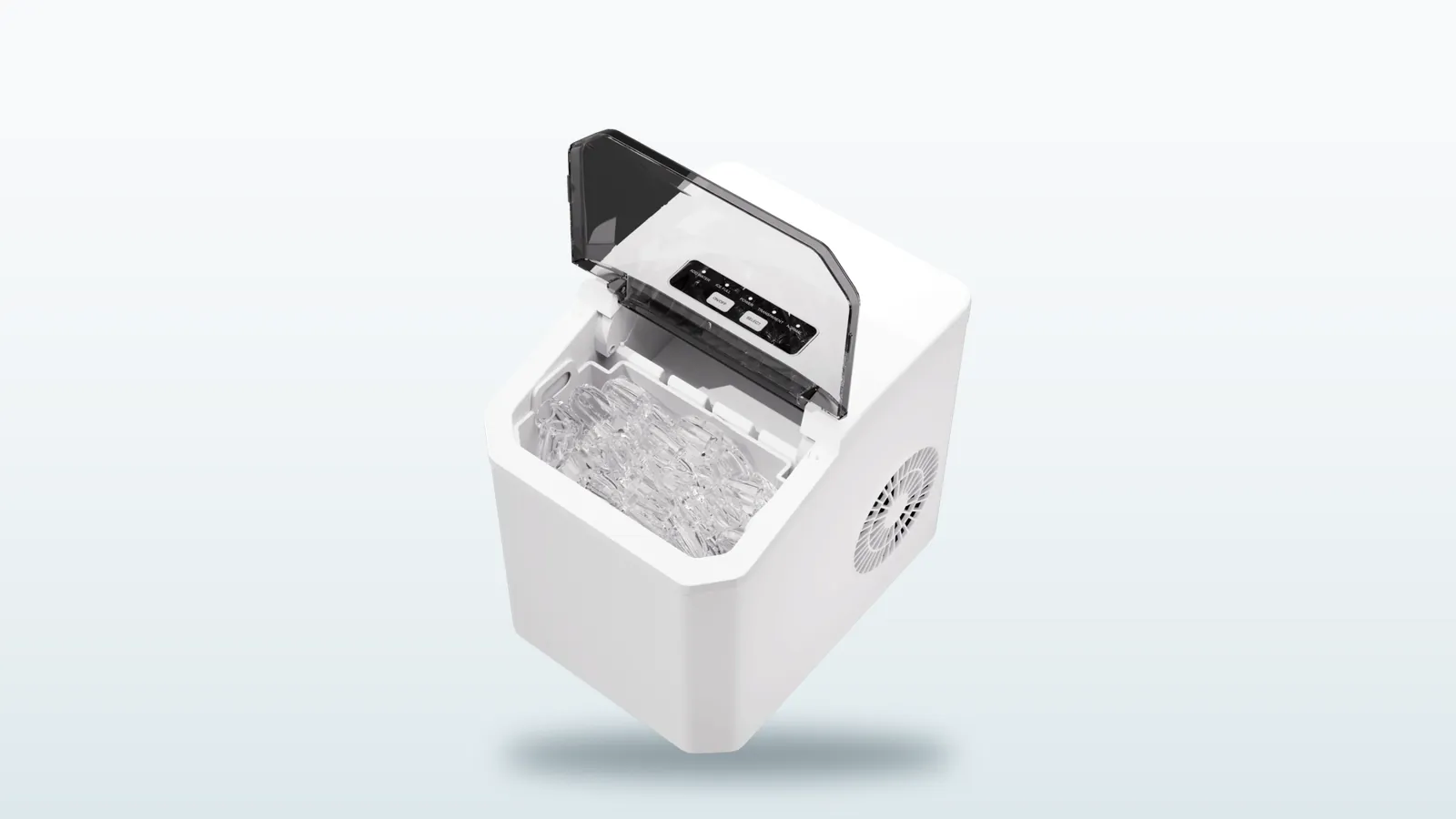
On the YH515 and YH22 bullet ice makers, clear mode grows the ice more slowly and densely, with fewer bubbles (compare the two with the slider on our Technology page). As in the freezer, slower means clearer, and it costs output: our factory spec sheets (wholesale catalog) list one compact machine at 12 kg a day in its regular version (YH16) and 10 kg in its clear version (YH18), and the first ice takes 8–10 minutes instead of 6–8.
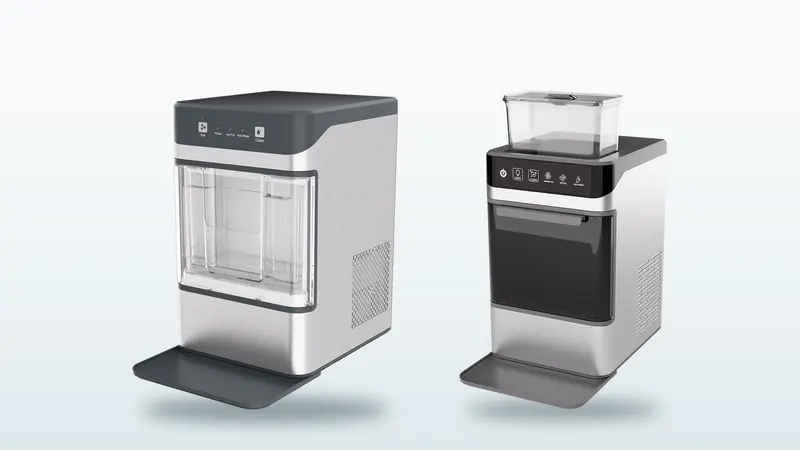
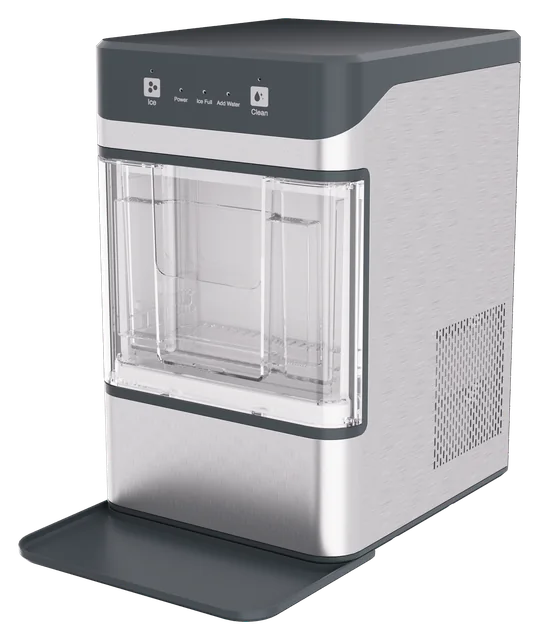
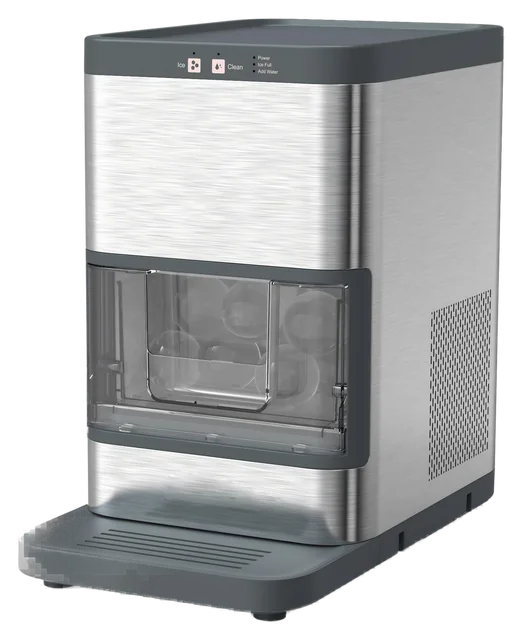
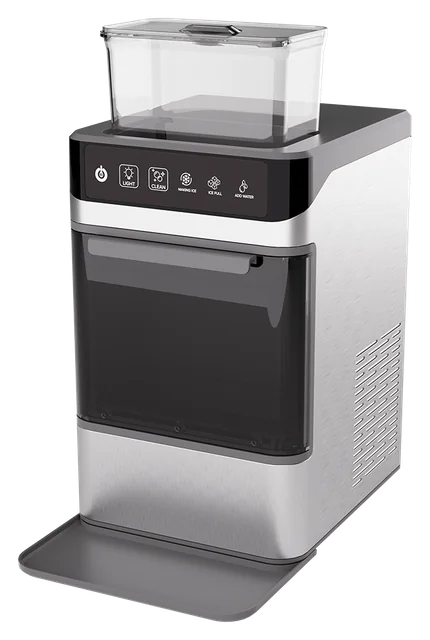
Don't expect clear ice from a nugget machine: Pentair, which makes water filters, notes that nugget and flake machines freeze all the water they get, so unlike cube machines they can't leave impurities behind.
Keeping a machine's ice clear
What the ice leaves behind stays in the water. The patented machine flushes it out with fresh water after every cycle; a countertop ice maker reuses its reservoir water until you change it. So:
- Use filtered drinking water: as our Support page notes, it means less scale and clearer ice. Pentair says water harder than 180 mg/L may give cloudy ice.
- Drain and dry the reservoir weekly, and deep-clean monthly.
Which route to take
- A few clear rocks for the weekend: the cooler or the towel-wrapped trays cost nothing but freezer space and time.
- Clear ice every day, or for guests at a bar or café: a sphere maker for whiskey, or a bullet machine you can switch between clear and regular. Compare models on our countertop bullet ice makers page.